
Firearms Guide PDF: The Essential Resource
You’re staring at a Glock 19 Gen 3 stripped frame on your workbench, trying to recall the exact orientation of the trigger housing pin spring. A quality firearms guide PDF is the difference between a smooth build and a frustrating afternoon of searching through fragmented forum posts. This isn’t about casual reading; it’s about having the correct technical data at your fingertips, whether you’re assembling a pistol, diagnosing a malfunction, or verifying a part number for an order at Californiagunshop.
Why a PDF Guide Beats Online Forums for Technical Data
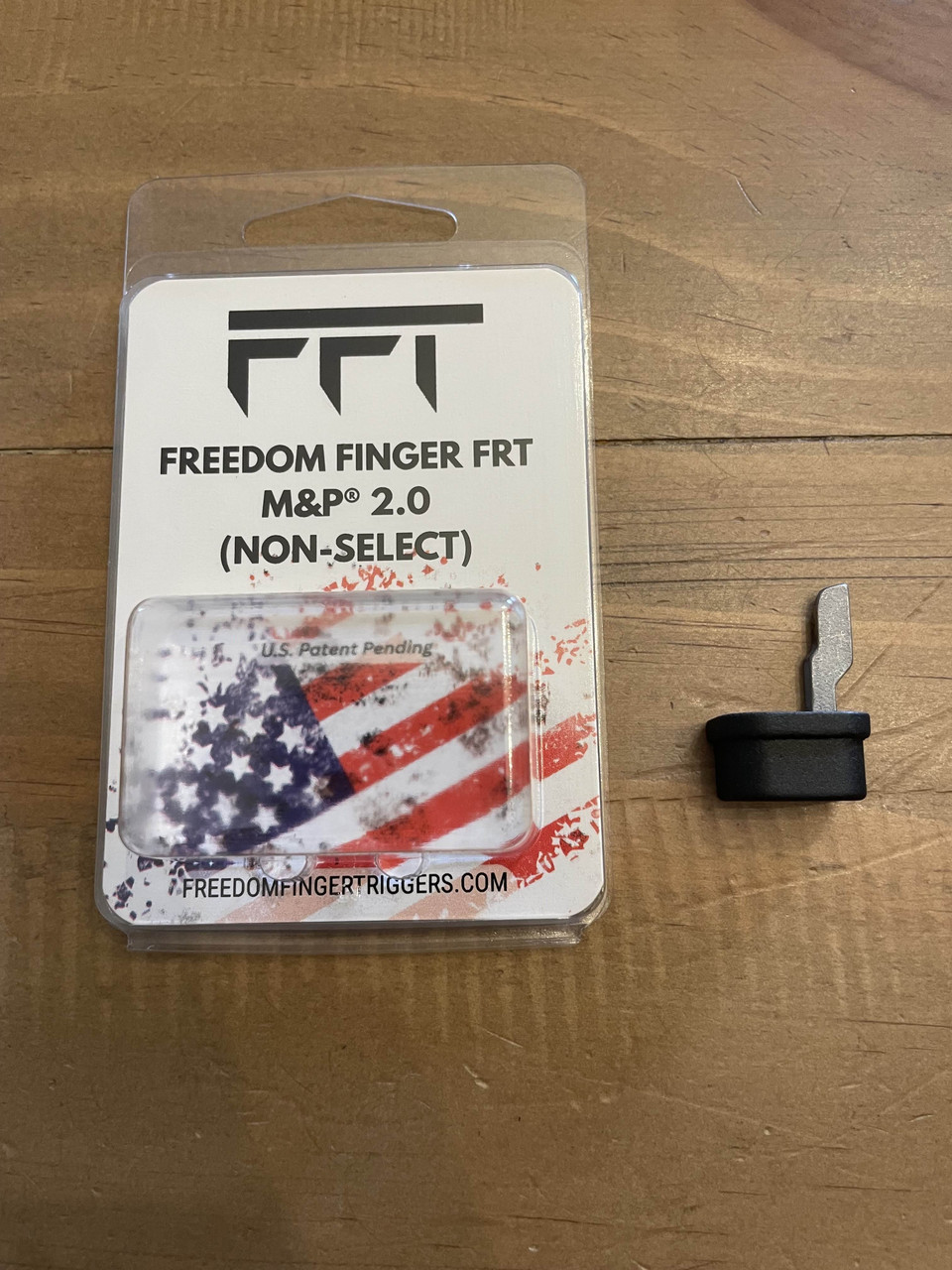
Forums have their place, but when you need the factory-specified torque for your AR-15 barrel nut or the official disassembly sequence for a Smith & Wesson M&P 2.0, a PDF of the original manufacturer’s manual is non-negotiable. Online threads are filled with opinions, outdated information, and “what worked for me” advice that may not be correct or safe for your specific model. A proper guide provides exploded-view diagrams with every part numbered, exact spring weights, and clear warnings. For instance, when installing an aftermarket trigger like the Freedom Finger FRT for the M&P, the factory manual is your baseline for understanding the stock fire control group before you modify it. Relying on anything less is a risk to your firearm’s function and your safety.
Critical Information Found in Factory PDF Manuals
A comprehensive factory PDF is more than just safety rules. It contains the data you need for maintenance, compliance, and sourcing parts. You’ll find the exact cartridge specifications your firearm is proofed for—like knowing a Glock 22 in .40 S&W can safely fire .357 SIG with just a barrel swap. It lists all factory part numbers, which is invaluable when you’re looking for a replacement extractor or a specific magazine. The manual details field-stripping, complete disassembly (often with warnings against user-serviceable sections), lubrication points, and recommended cleaning intervals. For California residents, the manual also clarifies the legal model designation and features, which is crucial when dealing with our state’s roster and regulations. We always recommend cross-referencing your manual when buying parts or ammunition from us.
How to Source and Verify Legitimate Firearms Guides
The first stop should always be the manufacturer’s official website. Companies like Glock, Smith & Wesson, and SIG Sauer host current and archived manuals in their support sections. For older or out-of-production models, sites like PDFManualGO or the Internet Archive can be resources, but you must verify the document matches your exact model and generation. A manual for a Gen 4 Glock 19 is useless for a Gen 3. Pay close attention to the revision date and publication number on the first page. When purchasing used firearms, like our police trade-in Glock 23 Gen4s, downloading the correct manual is the first step in your inspection process. Print the relevant pages for your range bag and save the full PDF on multiple devices.

Applying Guide Knowledge to Builds, Upgrades, and Troubleshooting
This is where the PDF pays off. Building a pistol from a stripped frame? The manual shows the precise order of assembly and how every pin, spring, and lever interacts. Upgrading a component? The manual gives you the baseline to measure improvement. If you’re experiencing failures to feed, the manual’s magazine disassembly instructions are key. For example, before installing a blemished FRT trigger, studying the factory manual ensures you understand the sear engagement and safety mechanisms you’re modifying. It’s the foundational text. When customers at Californiagunshop ask for advice on a malfunction, our first question is always, “What does your manual say about that specific operation?” Nine times out of ten, the answer is in there.
Where can I find a manual for a firearm that’s no longer made?
Start with the manufacturer’s website archive. For truly obsolete models, digital libraries like the Internet Archive (archive.org) often have scanned copies. Forums dedicated to specific brands (like the Beretta Forum or the Smith & Wesson Forum) sometimes have user-uploaded PDFs in their reference sections. Always double-check that the model number and revision date match your firearm.
Is a manual necessary if I’m only doing simple cleaning?
Absolutely. “Simple” field stripping procedures vary wildly between models. The takedown steps for a SIG P320 are completely different from a 1911 or a Taurus TX22. Using the wrong method can damage your firearm or, worse, lead to an accidental discharge. The manual shows the exact, safe method approved by the engineers who built it.
Can I use a manual for a different caliber of the same model?
Generally, yes for core assembly and disassembly, but no for parts and pressure specifications. The mechanical operation of a Glock 17 (9mm) and a Glock 22 (.40 S&W) is identical, so the stripping guide applies. However, the parts list, recommended ammunition specs, and possibly the recoil spring weight will differ. Always confirm you have the manual for your specific caliber variant.
Browse our firearms collection
Last updated: April 07, 2026