Firearms Safety: The Four Universal Rules
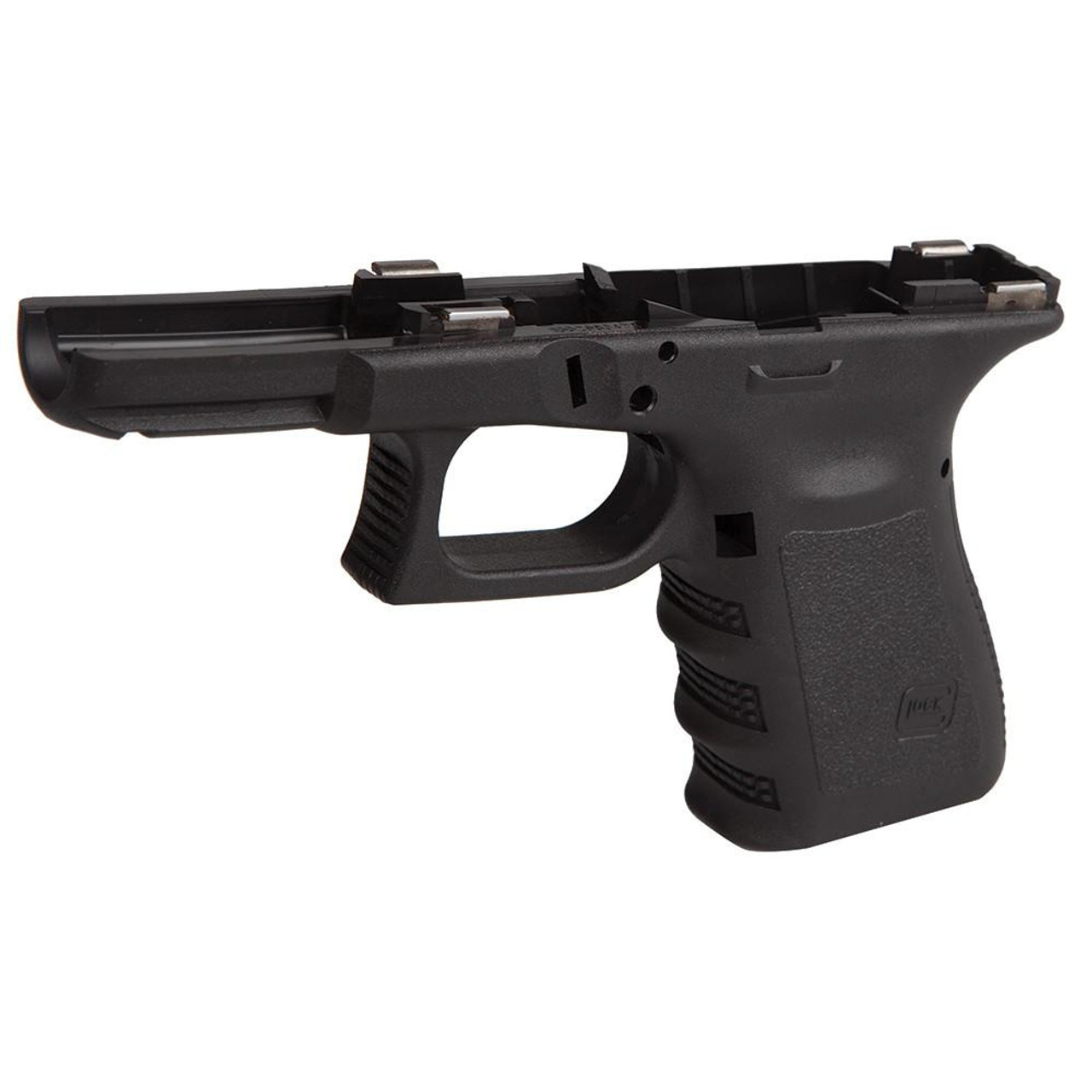
Every year, negligent discharges happen because someone forgot a fundamental rule. It’s not about complex scenarios; it’s about the basics, every single time you handle a firearm. Whether you’re building a Glock 19 Gen 3 from a stripped frame or loading a magazine for a range day, these principles are non-negotiable. This isn’t theory. This is the bedrock of responsible ownership.
1. Treat Every Firearm as if it is Loaded
This is the first and most critical rule. The moment you assume a firearm is unloaded, you’ve created the conditions for an accident. When you pick up any gun—a new purchase from our Semi-Automatic Handguns collection, a friend’s rifle, or your own sidearm from the safe—your immediate mental and physical process must be to verify its condition. Visually and physically inspect the chamber, then check the magazine well. Even after you confirm it’s clear, you continue to handle it with the same respect as a loaded weapon. This rule eliminates complacency. It’s the reason you never point a firearm at anything you are not willing to destroy, even during “safe” handling like cleaning or dry-fire practice.
2. Never Point the Muzzle at Anything You Are Not Willing to Destroy
Muzzle discipline is everything. The firearm’s muzzle must always be pointed in a safe direction. A “safe direction” means a direction where a negligent discharge would cause minimal or no damage and would not injure anyone. At the range, this is downrange. In your home, while handling a firearm for maintenance, this might be into a safe backstop like a clearing barrel or a dedicated safe direction (like a brick fireplace wall). This rule is your primary physical safety. It works in conjunction with Rule 1. If the gun is always pointed safely, even an unexpected discharge results in no tragedy. This habit must be ingrained, whether you’re handling a compact Glock 23 Gen4 or a long gun.
3. Keep Your Finger Off the Trigger Until Your Sights Are On Target
This is about trigger discipline. Your finger should rest indexed along the frame or slide, above the trigger guard, until you have made the conscious decision to fire. The natural human response to a startle or a fumble is to clench. If your finger is on the trigger during a slip, a surprise, or while manipulating the firearm, you risk a discharge. Modern striker-fired pistols like the Smith & Wesson M&P series have consistent trigger pulls, but even a light, crisp trigger like a modified FRT trigger is not an excuse for poor discipline. Practice this during dry-fire: draw, acquire sights, *then* place finger on the trigger. It must become muscle memory.
4. Be Sure of Your Target and What is Beyond It
Bullets don’t stop at your target. A 9mm 115-grain FMJ round from common range ammo can penetrate walls, car doors, and brush. Before you press the trigger, you must positively identify your target and know what lies behind it. At a formal range, this is managed with backstops. In a defensive or hunting scenario, it is your absolute responsibility. This rule also applies to knowing your equipment’s capabilities. A .223 round has different penetration characteristics than a .45 ACP. Never fire at a sound, a shadow, or a movement. If you cannot confirm a safe backdrop, you do not fire.
5. Secure Storage and Maintenance are Part of Safety
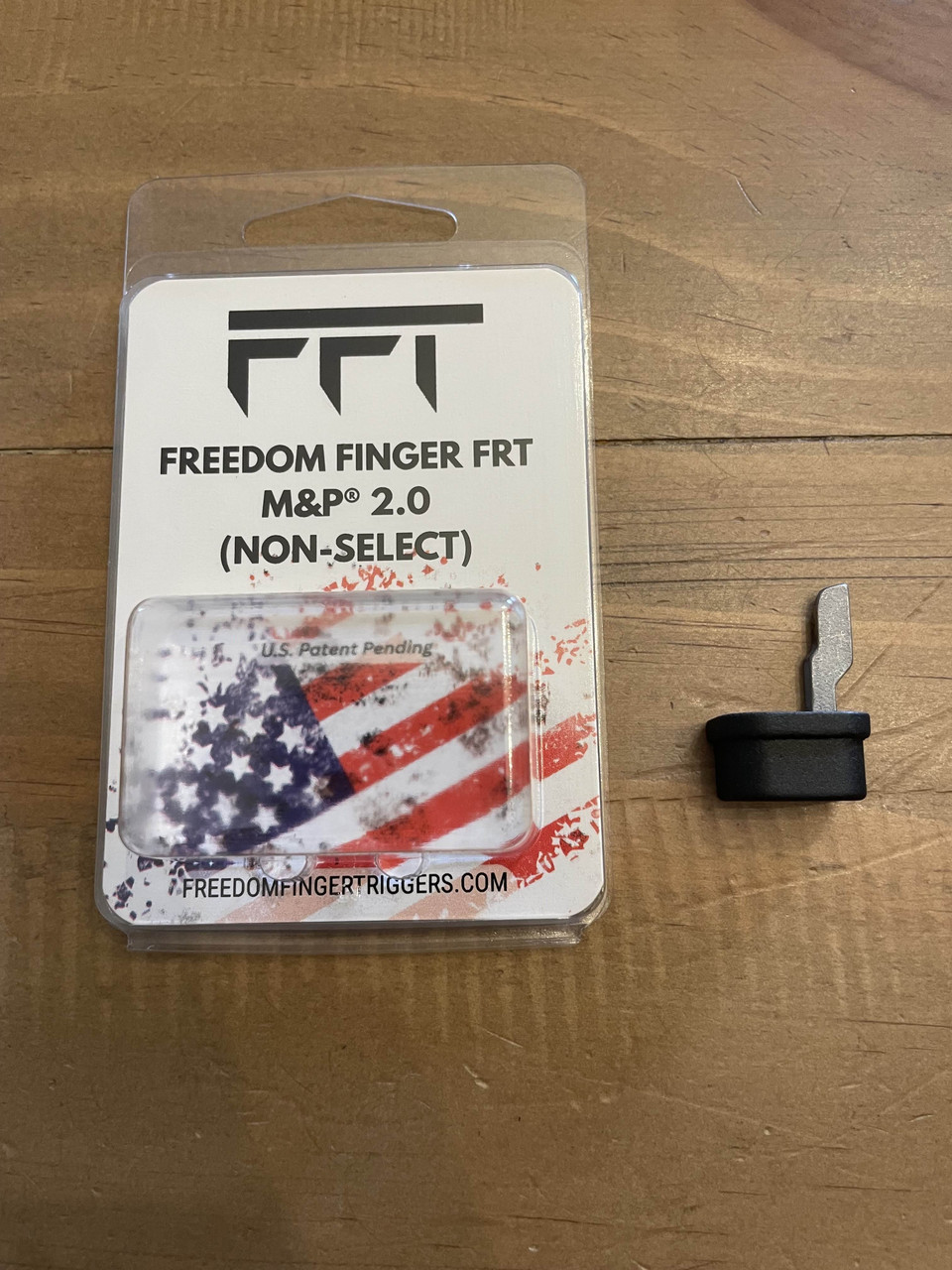
Safety extends beyond active handling. When not in your direct control, firearms must be secured. A quick-access safe for a home defense handgun or a full-size safe for a collection is mandatory, especially with children or unauthorized persons in the home. Furthermore, mechanical safety is your responsibility. A poorly maintained firearm is unsafe. This includes using correct, high-quality parts. When installing aftermarket components, like a Freedom Finger FRT trigger, ensure you have the technical skill or seek a qualified gunsmith. Regularly inspect your firearms for wear, ensure screws are staked or loctited where necessary, and always use the correct ammunition caliber. A .40 S&W round will not safely chamber in a 9mm pistol, but the mistake can have catastrophic results.
What is the single most important safety rule?
All four rules are equally critical and work together as a system, but if you must prioritize one, it’s Rule 1: Treat every firearm as if it is loaded. This mindset forces compliance with the other three rules. If you truly believe the gun is loaded, you will naturally keep it pointed safely, keep your finger off the trigger, and be sure of your target.
How do I practice safety when dry-firing?
Follow all four rules rigorously. First, triple-check that the firearm is unloaded and there is no ammunition in the room. Designate a permanent, absolutely safe backstop (like a safe wall or a dedicated dry-fire target system). Perform your chamber/magazine check every time you pick up the gun. Use snap caps to protect firing pins. This disciplined practice at home builds the safe habits you need under stress.
Are mechanical safeties a replacement for these rules?
No. Mechanical safeties are a backup device, not a primary safety. They can fail or be inadvertently disengaged. Your primary safeties are your mind and your trigger finger. Never trust a mechanical safety to compensate for poor handling. A firearm’s safety, whether it’s a Glock’s trigger safety or a 1911’s thumb safety, is just one layer in a system where the human operator is the most important component.
Browse our firearms collection
Last updated: April 07, 2026