State Firearms Laws: A Practical Guide
You can legally purchase a Glock 19 Gen 3 in Texas with a standard background check, but buying that same handgun in California requires it to be on the state’s Roster of Handguns Certified for Sale, which the Gen 3 is, but a Gen 5 is not. This single example shows why understanding state law isn’t optional—it’s the first step in any purchase. Federal law sets the floor, but your state and local jurisdiction build the walls that dictate what you can own, where you can carry it, and how you must store it.
The Foundation: Federal Law vs. State Preemption
Federal law under the Gun Control Act of 1968 and the National Firearms Act establishes baseline rules: prohibiting felons from possessing firearms, regulating interstate transfers, and defining Title II weapons like machine guns and short-barreled rifles. However, the concept of state preemption is critical. In states with strong preemption laws, like Florida or Texas, the state legislature sets uniform firearms regulations that local cities and counties cannot override. In states without preemption, like California or New Jersey, you can face a patchwork of local ordinances that are stricter than state law. For instance, a firearm legal at the state level in California might be banned in a specific city. Always verify both state statutes and local municipal codes.
Purchasing & Ownership: From Permits to Bans
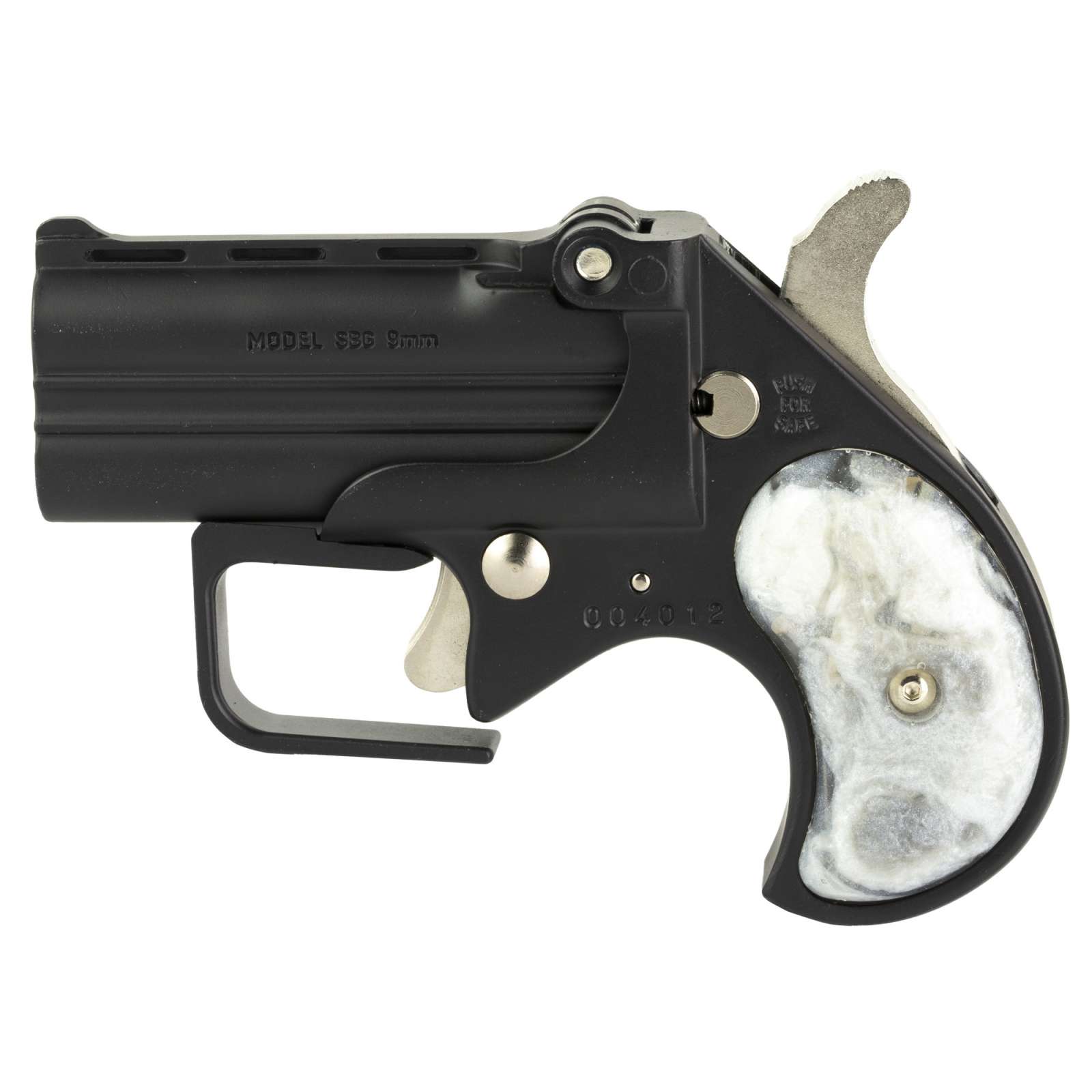
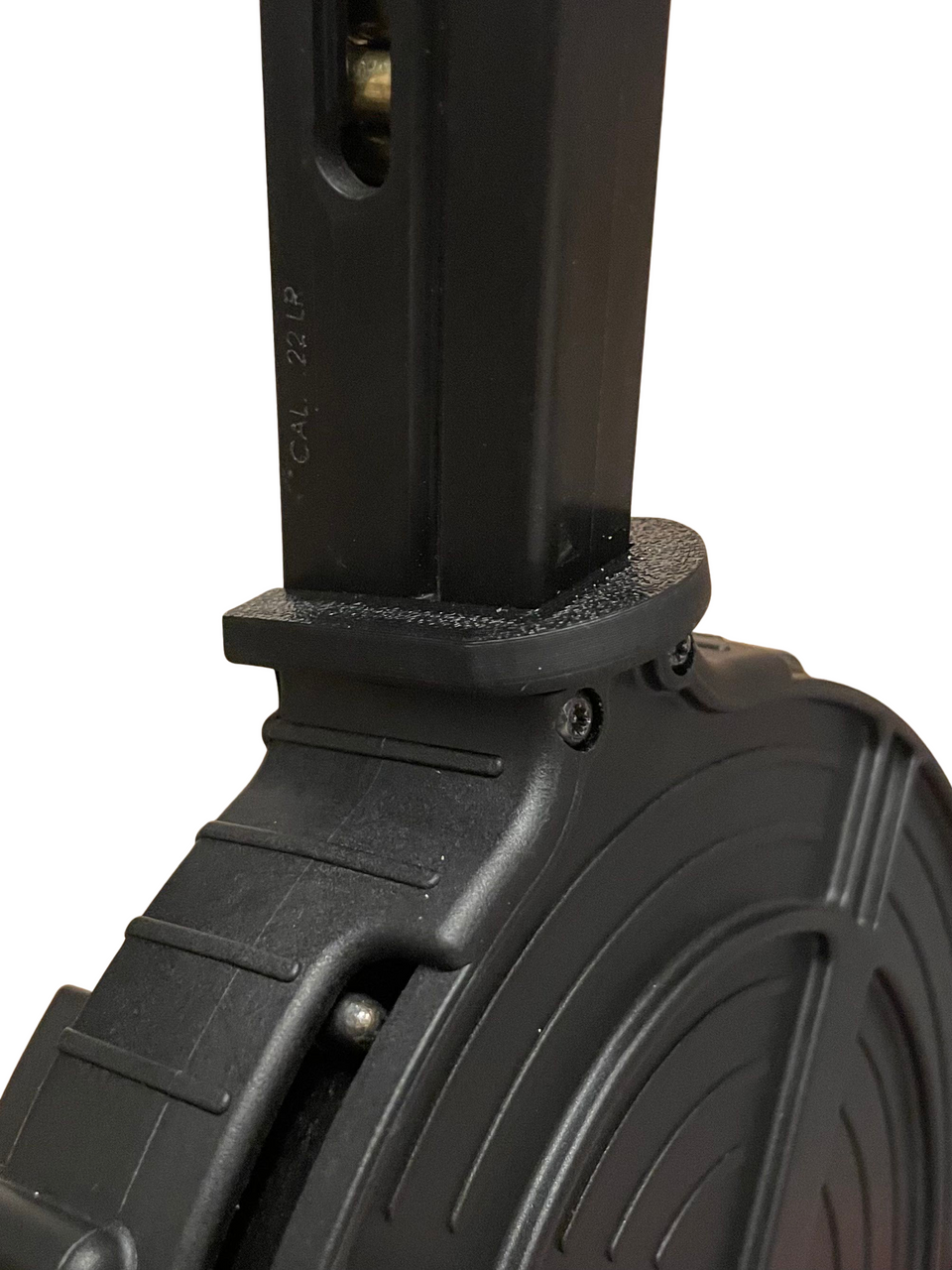
The process of buying a firearm varies wildly. “Shall-issue” states, like most of the country, require authorities to issue a concealed carry permit if you meet objective criteria. “May-issue” states, like New York, give officials broad discretion to deny permits. A handful of states, like California and Massachusetts, maintain their own approved handgun rosters, limiting new retail sales to tested models. Ownership bans often center on so-called “assault weapons,” with definitions differing by state. Maryland’s ban list is by name, California’s is by features, and Washington’s new law defines them broadly enough to encompass many common semi-automatic rifles. Magazine capacity is another major divide, with states like Colorado and Vermont imposing 15-round limits, while California enforces a 10-round limit. This directly affects products like our GSG Firefly Drum Magazine Adapter, which is only suitable for use in states without capacity restrictions.
Carrying Firearms: Concealed & Open Carry
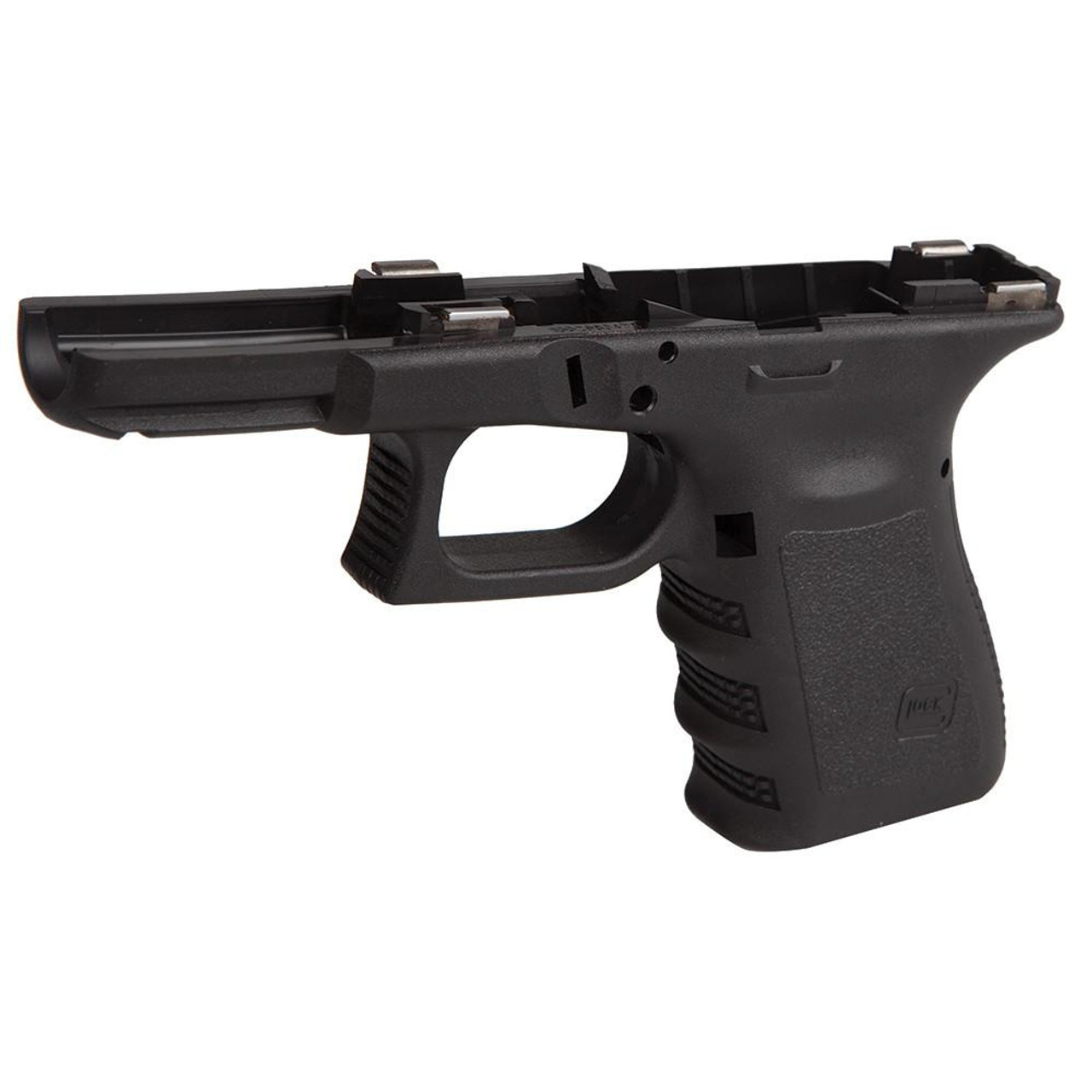
Carry laws are perhaps the most dynamic area of state firearms policy. Constitutional Carry, or permitless carry, is now law in over 25 states, meaning no permit is required for eligible adults to carry concealed. However, nuances exist; some states only allow permitless carry for residents, not visitors. In contrast, states like Illinois and New York require a permit to carry any concealed firearm, with stringent application processes. Open carry legality is another split: it’s broadly legal in states like Arizona, restricted to those with a concealed carry permit in states like Florida, and largely prohibited in states like California and New York. Reciprocity—whether your home state’s permit is recognized elsewhere—is a separate, complex map you must check before traveling. A product like our Factory OEM Glock 19 Gen 3 Stripped Frames can be the starting point for a build, but you must know your state’s carry laws to know how you can legally carry the finished pistol.
Critical State-Specific Restrictions & Compliance
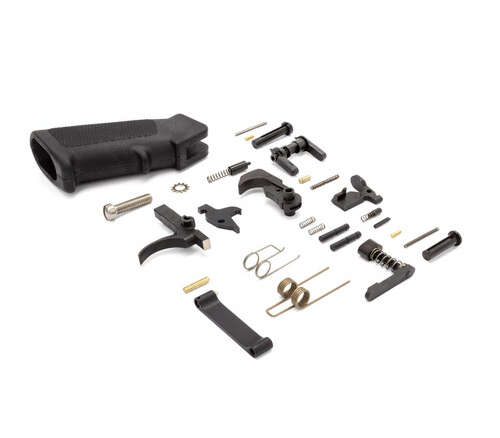
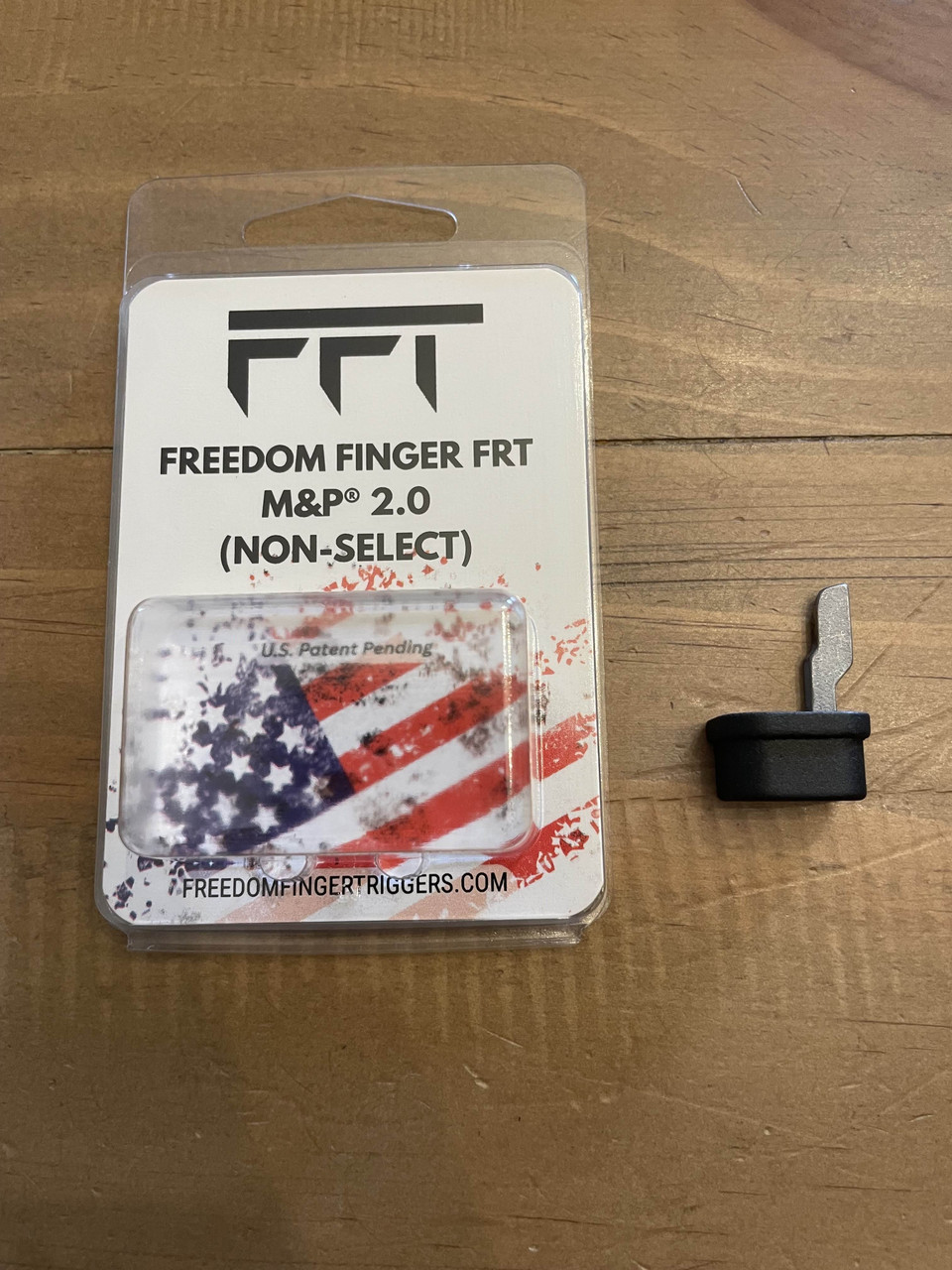
Beyond broad categories, specific device bans create compliance traps. California’s “assault weapon” laws prohibit standard features like flash hiders and pistol grips on semi-automatic rifles, requiring featureless or fixed-magazine builds. Its Unsafe Handgun Act mandates microstamping, a technology that doesn’t exist commercially, effectively freezing the handgun roster. New York’s SAFE Act bans features and requires registration. Massachusetts enforces its own “approved firearms roster” and an “assault weapons” ban based on a 1990s attorney general opinion. Trigger devices are a key battleground; forced reset triggers (FRTs) and bump stocks are banned federally and in many states. At Californiagunshop, we ensure products like the Blemished FRT Trigger for M&P 2.0 are clearly identified, but the ultimate responsibility for lawful use rests with the buyer, based on their state’s definitions of “machine gun” or “rapid-fire device.”
How to Stay Legally Compliant
Ignorance of the law is not a defense. Your compliance strategy must be proactive. First, consult primary sources: your state’s legislative website for statutes and your state police or attorney general’s office for regulatory guidance. Second, use trusted, updated resources from organizations like the NRA-ILA or USCCA, which maintain 50-state legal maps. Third, when in doubt, consult a local attorney specializing in firearms law. Before purchasing any firearm or component, verify its legal status in your jurisdiction. For example, a police trade-in Glock 23 Gen4 in .40 S&W might be a great deal, but in California, it must be transferred through a private party sale (PPT) as it’s not on the roster for new dealer sales. We at Californiagunshop are committed to lawful commerce, but the landscape changes rapidly; the burden is on you to know the rules that apply to you.
Can I buy a firearm online if I live in a restrictive state?
Yes, but with major caveats. Federal law requires all firearms purchased online to be shipped to a Federal Firearms License (FFL) holder in your state. The receiving FFL will conduct the mandatory background check and must comply with all state laws. If you’re in a state with an approved handgun roster (like CA, MA, MD), the FFL can only transfer a handgun to you if it’s on that roster. They cannot complete the transfer of a non-compliant firearm, and you will likely lose any money paid. Always confirm with your local FFL before ordering.
If I have a concealed carry permit from my home state, can I carry in another state?
Maybe. This depends on reciprocity agreements between states. Some states have broad recognition, while others, like California and New York, recognize almost no out-of-state permits. Some states offer non-resident permits that provide broader coverage. You must check the specific reciprocity map for your permit before traveling. Relying on a general “Constitutional Carry” rule is dangerous, as many permitless carry states only extend that right to their own residents, not visitors.
Are “pre-ban” magazines or firearms grandfathered in restrictive states?
It depends entirely on the state’s specific law. Some laws, like the now-expired federal 1994 AWB, had a grandfather clause. Current state laws vary: New Jersey’s magazine ban does NOT grandfather previously owned standard-capacity magazines. California’s magazine ban, after legal challenges, currently allows possession of magazines acquired during freedom weeks, but not importation or purchase. Massachusetts’ enforcement of its weapons ban is a complex legal minefield. Never assume grandfathering; you must read the statute’s exact effective date and possession language.
Browse our firearms collection
Last updated: March 27, 2026