Canik Firearms Review: A Hands-On Look at the Turkish Challenger
Canik Firearms Review: A Hands-On Look at the Turkish Challenger
Ten years ago, telling a customer their best value in a striker-fired 9mm was a Turkish pistol would have got you a raised eyebrow. Canik has spent the time since making that a normal conversation. The guns come out of Samsun Yurt Savunma in northern Turkey, and the thing that keeps bringing people back is simple: the trigger is better than it has any right to be at the price.
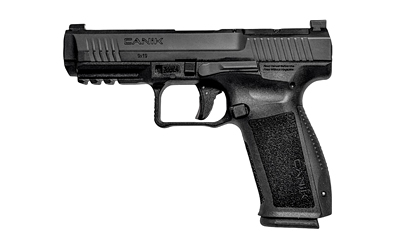
The TP9 series built the reputation
The TP9 line is where most people meet the brand. The TP9SF and its variants deliver a full-size 9mm with a flat-faced trigger, a short reset, and a break that regularly surprises shooters who paid twice as much for their last pistol. Canik also ships them with accessories that other makers charge for — a holster, a spare magazine, a backstrap kit, sometimes an optics plate set — all in the box.
That package is the pitch. You are getting a competent duty-size pistol and the kit to actually run it, without a second trip to the counter.
METE is the refinement
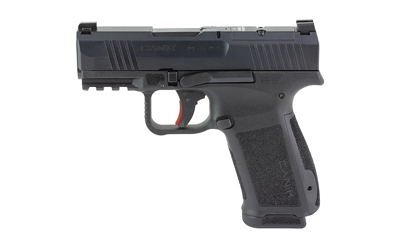
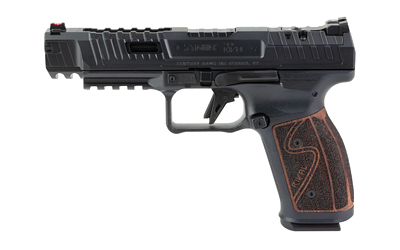
The METE series is where Canik tightened things up. The METE SFT and SFx improved the slide serrations, the magazine well, and the optic mounting system, and the SFx adds a longer slide and barrel for competition use. The METE MC9 moved the same thinking into the micro-compact class, going after the P365 and Hellcat buyers directly.
The MC9 is worth singling out because it is where Canik stopped being "the value option" and started being a straight competitor. It is a genuinely small pistol with a trigger that still feels like a Canik, which is not a combination the category was offering.
Where the criticism is fair
Two things come up honestly. The first is resale — Canik pistols do not hold value the way a Glock or a SIG does, because the used market has not fully caught up with the brand. If you buy and trade often, that costs you.
The second is the aftermarket. Holster and sight support has improved enormously, but it is still thinner than it is for Glock or M&P. Check that the holster you want exists for your exact model before you commit, especially for the newer METE variants.
Parts and service run through Century Arms as the US importer. That has been a sore point historically. It has improved, but it is not the same as calling a domestic manufacturer's service line, and you should factor that in if you are buying a pistol for duty use.
How they actually shoot
Reliability across the TP9 and METE lines has been strong in our experience, with the usual caveat that any striker-fired pistol wants a few hundred rounds before you trust it with your carry load. The guns run dirty, feed most bullet profiles, and the factory sights are usable out of the box — which, again, is not always true at this price.
The recoil impulse is flat for the weight, helped by a low bore axis. Newer shooters tend to notice that they shoot a Canik better than they expected, and that is not an accident of the marketing.
The verdict
Canik earned its place. If you want the most capable striker-fired 9mm for the money, and you are not planning to trade it in a year, the TP9 and METE lines deserve a serious look. If you need the deepest aftermarket and the strongest resale, the established American and Austrian options still win on those two points specifically.
We keep Canik in stock because it sells to people who come back happy. Handle one next to whatever you were planning to buy and let the trigger make the argument.