How to Buy a Gun Online in California (2026): Roster, DROS, 10-Day Wait
Last checked 7 October 2026. Buying a gun online in California is legal and routine, but the order does not end at your door. Every firearm ships to a California-licensed dealer, you complete the state paperwork there, you wait ten days, and then you collect it. This guide walks the whole path in order, with the current fees and the rules that changed in the last two years.
The short version
You choose the firearm here. We ship it to the California dealer you pick at checkout. Before it ships, our dealer requests a Firearms Shipment Approval Number from the California DOJ for that specific dealer, because state law requires it for any firearm coming in from out of state. When the gun arrives, you visit the dealer with identification, proof of residency and your Firearm Safety Certificate, the dealer submits the Dealer Record of Sale, and the ten-day waiting period starts. On day eleven you go back, the dealer checks that the background check cleared, you take a safe-handling demonstration, and you leave with the gun. Ammunition, magazines, optics, holsters and parts are different: most ship direct, with one big exception for ammunition that we cover below.
What California lets you buy right now
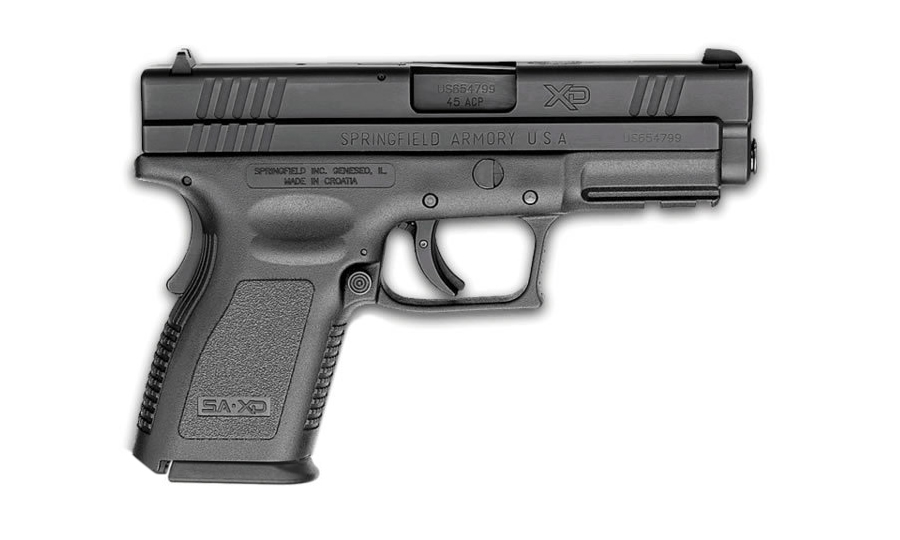
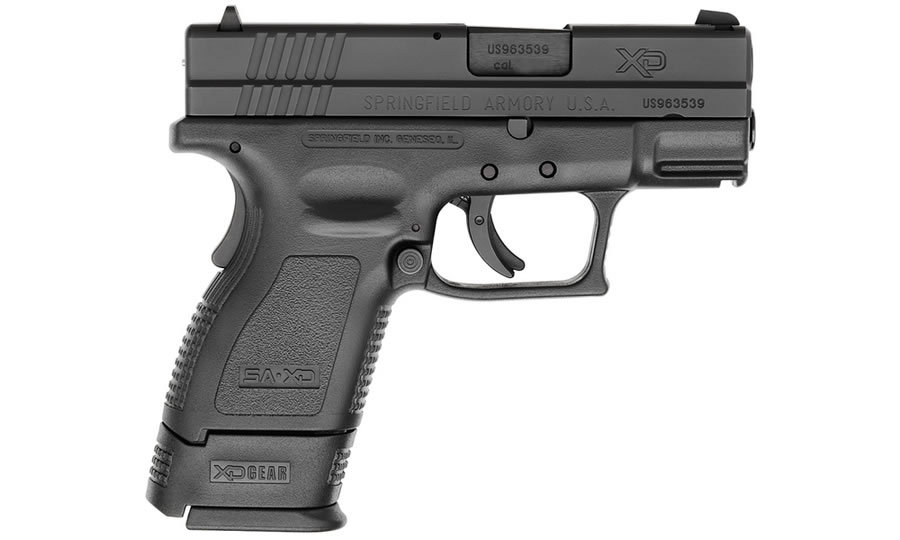
Handguns are the complicated part. A dealer in California may only sell a semi-automatic pistol that appears on the DOJ Roster of Certified Handguns. The roster grew in 2025 and 2026 because a federal court in Boland v. Bonta found the microstamping, chamber-load-indicator and magazine-disconnect requirements likely unconstitutional, and the DOJ now adds models without those features. New additions still appear monthly. Microstamping did not disappear, it moved: a separate rule in SB 452 says that from 1 January 2028 dealers may only sell microstamping-enabled semi-automatic pistols, and only if the DOJ makes two findings on the technology, one of which it made in July 2025. Until then, the roster is the rule. Revolvers and single-shot pistols that meet the roster's own standards are also listed, and a dealer can transfer a non-rostered handgun to you only through a private-party transfer from another Californian or an intrafamilial transfer, not from an out-of-state shipment.
Rifles and shotguns have no roster, but they have the assault weapon definition. A semi-automatic centerfire rifle with a detachable magazine may not have a pistol grip, a thumbhole stock, a folding or telescoping stock, a flash suppressor, a forward grip or a launcher. The two legal routes are a featureless rifle, which keeps the detachable magazine and loses the listed features, or a fixed-magazine rifle, which keeps the features and locks a ten-round magazine in so it cannot be removed without disassembling the action. Overall length must be at least thirty inches. We tag every rifle in the catalogue by which route it takes, and if it takes neither we will not ship it to California. The .50 BMG cartridge is banned outright.
Magazines over ten rounds cannot be sold, imported or shipped into California. The Ninth Circuit upheld that law en banc in March 2025 and the Supreme Court has not yet taken the case, so nothing has changed for a buyer: a magazine that holds more than ten rounds will not ship here, full stop. Magazines you already lawfully own are protected by a court stay, but that does not help you buy new ones.
Who can buy
A California dealer may not transfer any firearm to a person under twenty-one. The one exception is a long gun to a buyer aged eighteen to twenty who holds a valid California hunting licence, or who is active military or law enforcement. That exception never covers handguns. You also need to be a California resident with a California driver's licence or ID card, and for a handgun you must show a second document that proves your address: a utility bill, a lease, a property deed or another government-issued document. If your licence still shows an old address, bring the second document anyway, because the dealer will ask.
The Firearm Safety Certificate
Before the dealer can release any firearm you need a Firearm Safety Certificate, which is a thirty-question written test on safe handling and the law. It costs twenty-five dollars in total, fifteen for the certificate and ten for the test, and you pass with twenty-three correct answers. If you fail you can retake it after twenty-four hours, once for free. The certificate lasts five years. Dealers administer the test, so you can do it on the first visit before the DROS is submitted. Carry-permit holders, active military and peace officers are exempt. A hunting licence exempts you only for long guns, not for a handgun.
DROS, the fee, and the ten days
The Dealer Record of Sale is the state transaction. The current fee is thirty-seven dollars and nineteen cents, made up of a thirty-one dollar and nineteen cent DROS fee, a one dollar firearm safety fee and a five dollar safety and enforcement fee. The dealer collects it and adds their own transfer fee on top, which is the dealer's number and varies widely, from under a hundred dollars to over a hundred and fifty at ranges that charge for storage. Since July 2024 the state also collects an eleven percent excise tax on firearms, firearm parts and ammunition sold by dealers, and you will see it on the dealer's receipt.
The waiting period is ten twenty-four-hour periods from the moment the DROS is submitted, so if the dealer submits at 2 p.m. on a Tuesday you cannot collect before 2 p.m. the Tuesday after next. There is no exemption for carry-permit holders or certificate-of-eligibility holders in practice; a court challenge to the wait is stayed. When you return, the dealer confirms the background check cleared and you perform a safe-handling demonstration on the actual firearm, which takes a few minutes.
What no longer applies
The one-handgun-per-thirty-days rule is not enforced. A federal district court enjoined it in 2024, the Ninth Circuit affirmed unanimously in June 2025 and the state did not appeal further. The DOJ's own FAQ page still carries the old wording, and so do many blogs, which is why buyers keep asking. Today you may DROS more than one firearm in a month. The ten-day wait still applies to each.
Ammunition is the trap
Ammunition cannot ship to a California home. Every sale must go through a licensed California ammunition vendor, who runs an eligibility check before handing it over. The standard check costs five dollars since July 2026, up from one dollar, and takes minutes if your information matches the DOJ's records. You cannot drive ammunition in from Nevada or Arizona either; it has to be delivered to a vendor first. The background-check law was struck by a Ninth Circuit panel in July 2025, then the full court agreed to rehear the case, and as of October 2026 it has not decided, so the check is fully enforced. Buyers must be eighteen for long-gun ammunition and twenty-one for handgun ammunition.
What to bring to the dealer
- California driver's licence or ID card with your current address.
- For a handgun, a second proof of residence: utility bill, lease, deed or another government document.
- Your Firearm Safety Certificate, or take the test there.
- Payment for the DROS fee, the dealer's transfer fee and the excise tax.
- For a long gun at eighteen to twenty, your valid California hunting licence.
Picking the dealer
Any California dealer on the DOJ Centralized List can receive your firearm, but ask three things before you give us their name: whether they accept incoming transfers from online retailers, what they charge, and whether they charge storage if you cannot collect on day eleven. The dealer must give us their five-digit Centralized List number so we can obtain the shipment approval; a dealer who does not know that number has probably not done an incoming transfer before. If you have no dealer, email us your city and we will suggest one we have shipped to.
Moving to California with firearms
New residents have sixty days to report handguns they bring with them, using the DOJ's New Resident Report of Firearm Ownership form at nineteen dollars per report. Long guns need no report. Assault weapons and magazines over ten rounds cannot be brought in at all; the choice is to sell them before you move or convert the rifle to featureless or fixed-magazine and leave the magazines behind.
Non-rostered handguns: the private-party route
If the pistol you want is not on the roster, we cannot ship it to a California dealer for you, and no out-of-state dealer can. The only lawful way a non-rostered pistol reaches a Californian is a private-party transfer from another Californian who already owns it, done through a dealer with a ten-dollar capped fee, the DROS and the ten-day wait, or an intrafamilial transfer from a parent, grandparent, child, grandchild or spouse. That is why the used market for off-roster pistols inside the state runs at a premium. Before you order a pistol here, check the roster by exact model, barrel length and finish, because a listed model can have an unlisted variant.
Common delays and how to avoid them
The three delays we see most are a dealer who does not know their Centralized List number, which holds the shipment approval; a buyer whose licence address does not match their current address, which holds the DROS until a second document is produced; and a DOJ undetermined result, which lets the dealer release after thirty days unless the DOJ says otherwise. The first two are avoidable before you order. Ask the dealer for their five-digit number when you ask about their fee, and bring a utility bill or lease even for a rifle so a mismatch costs you nothing. If you have changed your name, bring the court order or marriage certificate as well, because the DROS has to match the identification exactly.
Suppressors, short rifles and other NFA items
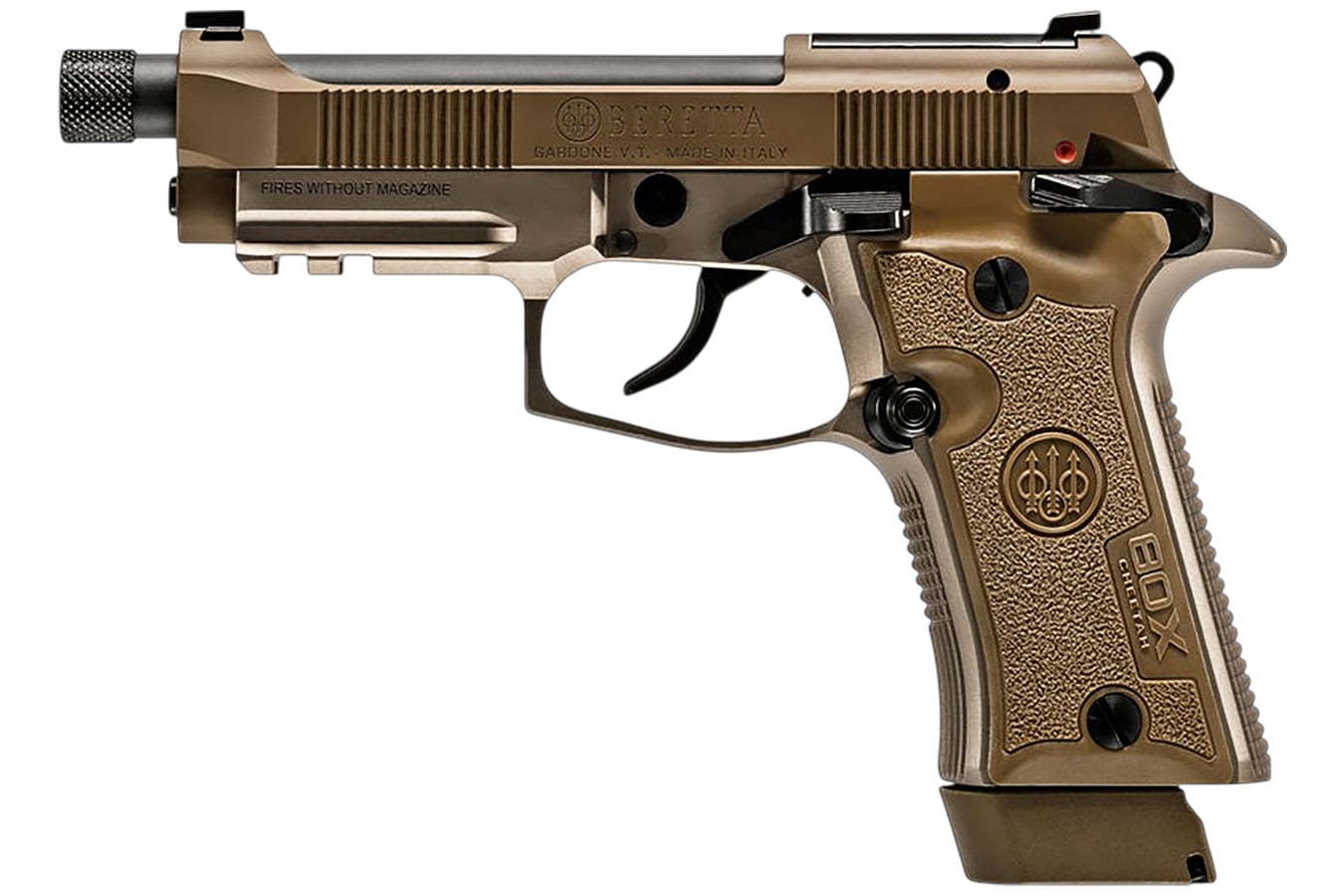
California bans suppressors, short-barrelled rifles and shotguns and machine guns for ordinary buyers, regardless of federal registration. A rifle with a barrel under sixteen inches or an overall length under twenty-six inches is illegal to own here without a DOJ permit that is not issued to the public, so we do not ship pistol-braced or short-barrelled rifles to California dealers even when they are legal federally. Threaded barrels on pistols are fine on their own; on a semi-automatic rifle with a detachable magazine a flash suppressor is a listed feature, which is why featureless rifles wear muzzle brakes instead.
Transporting it home
A handgun must be unloaded and in a locked container, which can be the hard case the dealer gives you or a lockable case of your own, but not the glove box or centre console. A long gun must be unloaded; a locked case is not required in a vehicle but is the sensible default, and a locked container is required in a city that has its own ordinance such as San Francisco. Ammunition can ride in the same vehicle as long as the firearm itself is unloaded. Keep the dealer's receipt with the gun for the first trip home in case you are asked how long you have owned it.