California Firearms Laws Explained
Owning a Glock 17 in California is a different legal process than in Arizona or Nevada. The state operates under a complex web of statutes, the Roster of Handguns Certified for Sale, and a 10-day waiting period that applies to every single firearm transfer. If you don’t understand the rules, you risk committing a felony simply by ordering the wrong part online. This isn’t about opinions; it’s about the operational reality of firearm ownership here.
The Handgun Roster and “Safe” Handgun Requirements
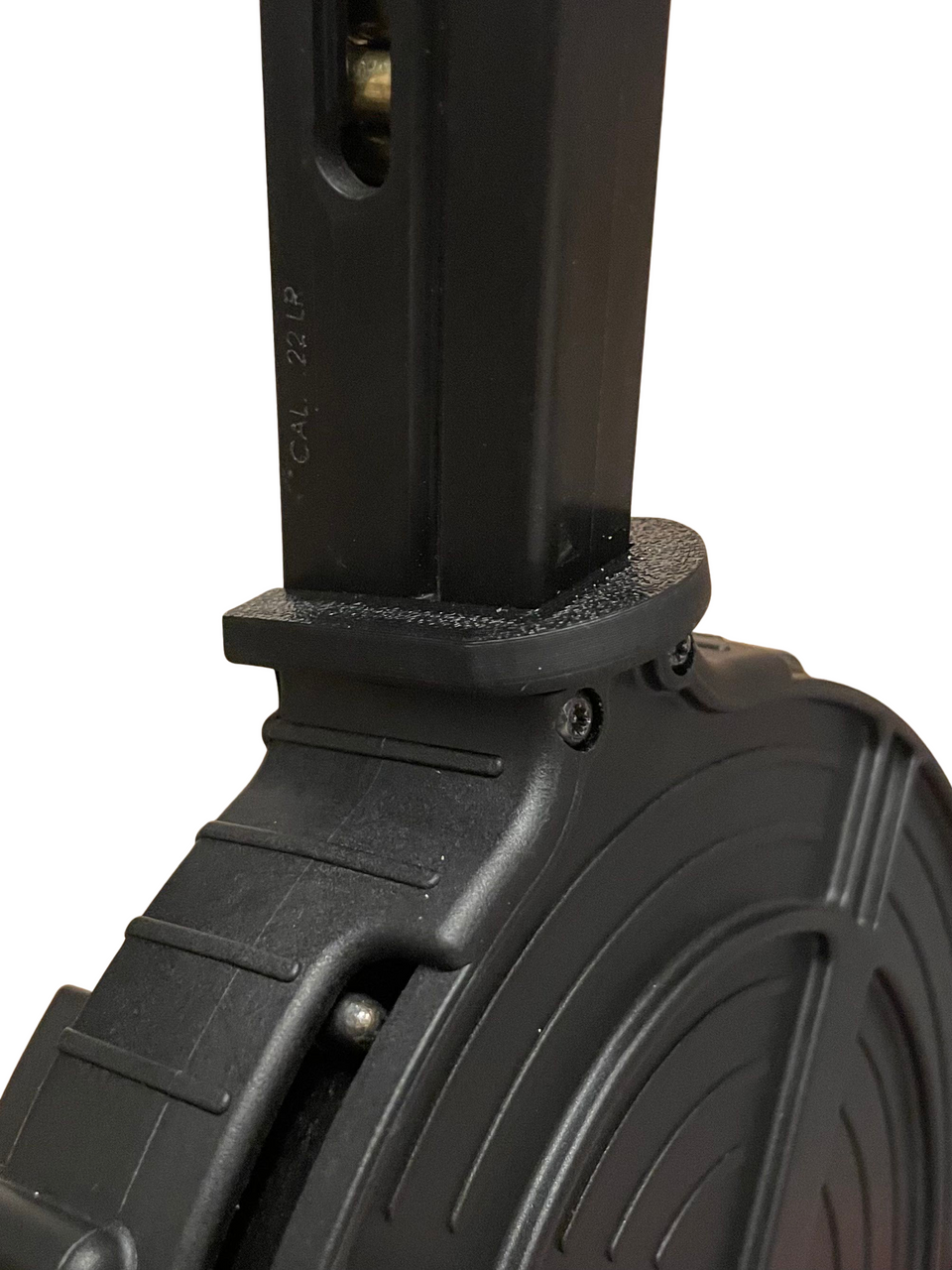
California’s Roster of Handguns Certified for Sale, often just called “the roster,” is a list of handguns the state has deemed “not unsafe” for commercial sale. To be listed, a pistol must have specific “safety” features: a chamber load indicator, a magazine disconnect mechanism (except for revolvers), and microstamping capability. No new semiauto handgun has been added since microstamping became a requirement because the technology is not commercially viable. This means the roster is effectively a shrinking list of older-generation models. For example, you can buy a new Glock 19 Gen 3 from a dealer, but not a Gen 4 or Gen 5. This is why products like Factory OEM Glock 19 Gen 3 Stripped Frames are in high demand—they are the foundation for a compliant, roster-exempt build. Private party transfers (PPT) of off-roster handguns between two California residents are a major exception, which is why off-roster pistols command a significant premium.
Assault Weapons and Feature-Based Bans
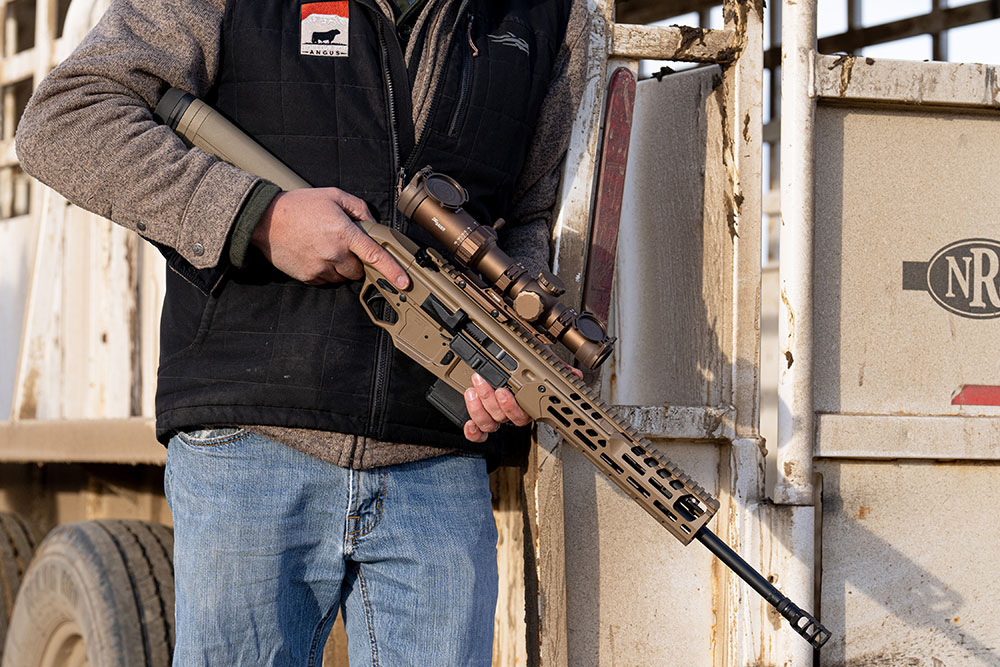
California’s definition of an “assault weapon” is feature-based for rifles and shotguns. For semiautomatic, centerfire rifles, it is illegal to have any one of the following: a pistol grip, a forward pistol grip, a flash hider, a grenade launcher, a folding or telescoping stock, or a thumbhole stock. The workaround for many years was a “featureless” build, which removes all those characteristics, often using a fin grip or fixed stock. The other common method was using a fixed magazine device, like the AR MagLock, which prevents magazine removal without disassembling the action. As of July 1, 2017, all firearms defined as assault weapons under California law had to be registered with the DOJ. Possession of an unregistered assault weapon is a felony. This law directly impacts what parts and configurations we can sell at Californiagunshop.
Magazine Capacity Restrictions and “Freedom Week”
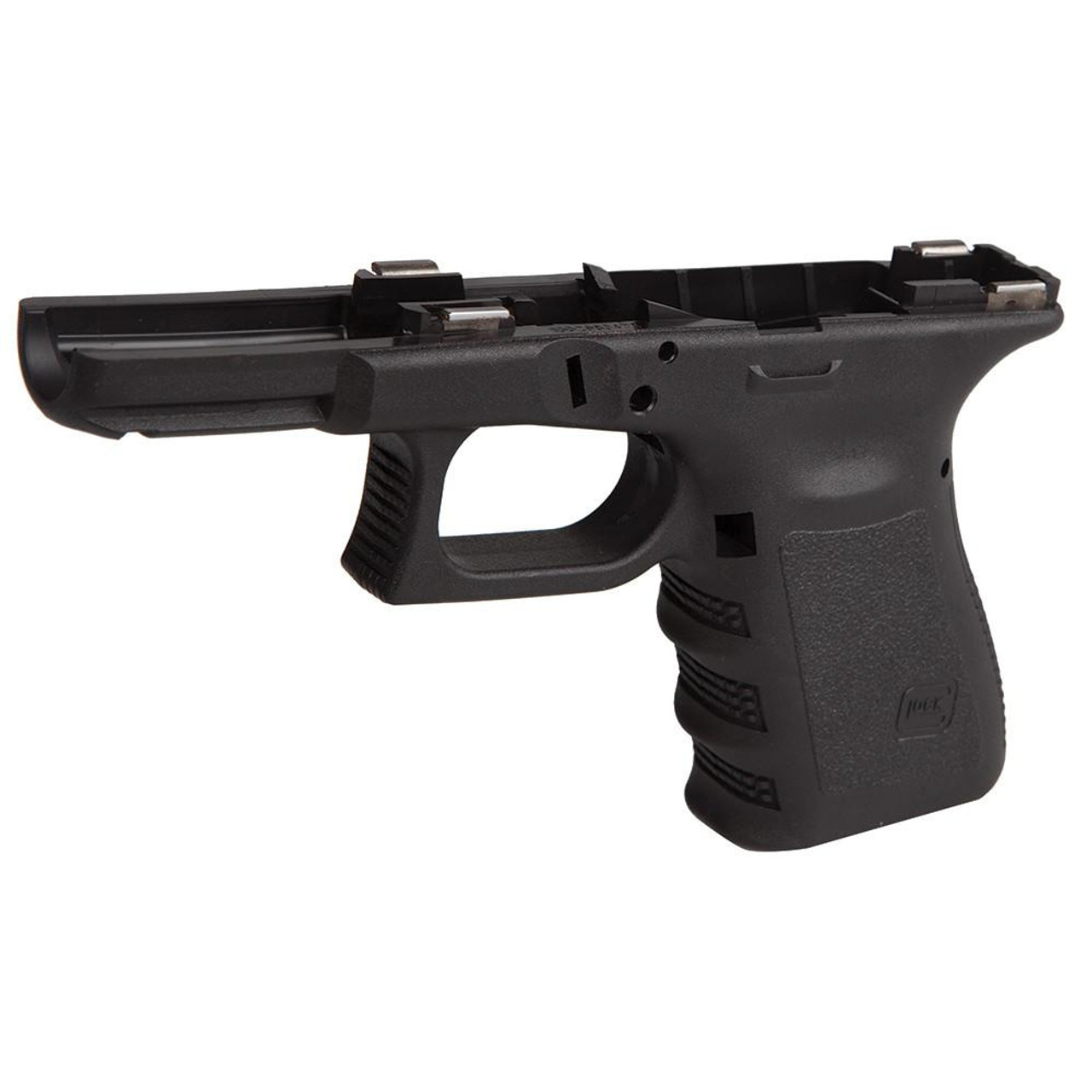
It is generally illegal to manufacture, import, keep for sale, offer for sale, or give away any magazine capable of holding more than 10 rounds. Possession, however, has a unique history. The 2016 law banning possession of “large-capacity magazines” (LCMs) was overturned by a federal judge in 2019. During the week that injunction was in effect—dubbed “Freedom Week”—it was legal to acquire standard-capacity magazines. Magazines acquired legally during that window are lawful to possess. This creates a complex situation where owning a 17-round Glock magazine is legal if you can prove it was acquired during that specific period, but buying one today is not. This affects accessories like the GSG Firefly Drum Magazine Adapter, which must be sold in a compliant configuration for .22 LR platforms only, ensuring it adheres to the 10-round limit for centerfire firearms.
Firearm Safety Certificate and Transfer Process
To buy or receive any firearm in California, you must have a valid Firearm Safety Certificate (FSC). You get this by passing a written test on basic firearm laws and safety at a licensed dealer. The test is 30 questions, and you need a score of at least 75%. Every single firearm transfer, including private party sales, must go through a licensed dealer. The dealer will run a background check through the California Department of Justice (DOJ) and initiate a mandatory 10-day waiting period. The clock starts when the dealer submits the DROS (Dealer’s Record of Sale). You cannot take possession of the firearm until exactly 10 full 24-hour periods have passed. There are no exceptions. This is why when you purchase a firearm from Californiagunshop, the transaction is completed through our network of partnering FFLs who handle this mandatory process.
Key Prohibitions: “Assault Weapons,” .50 BMG, and “Multiburst” Triggers
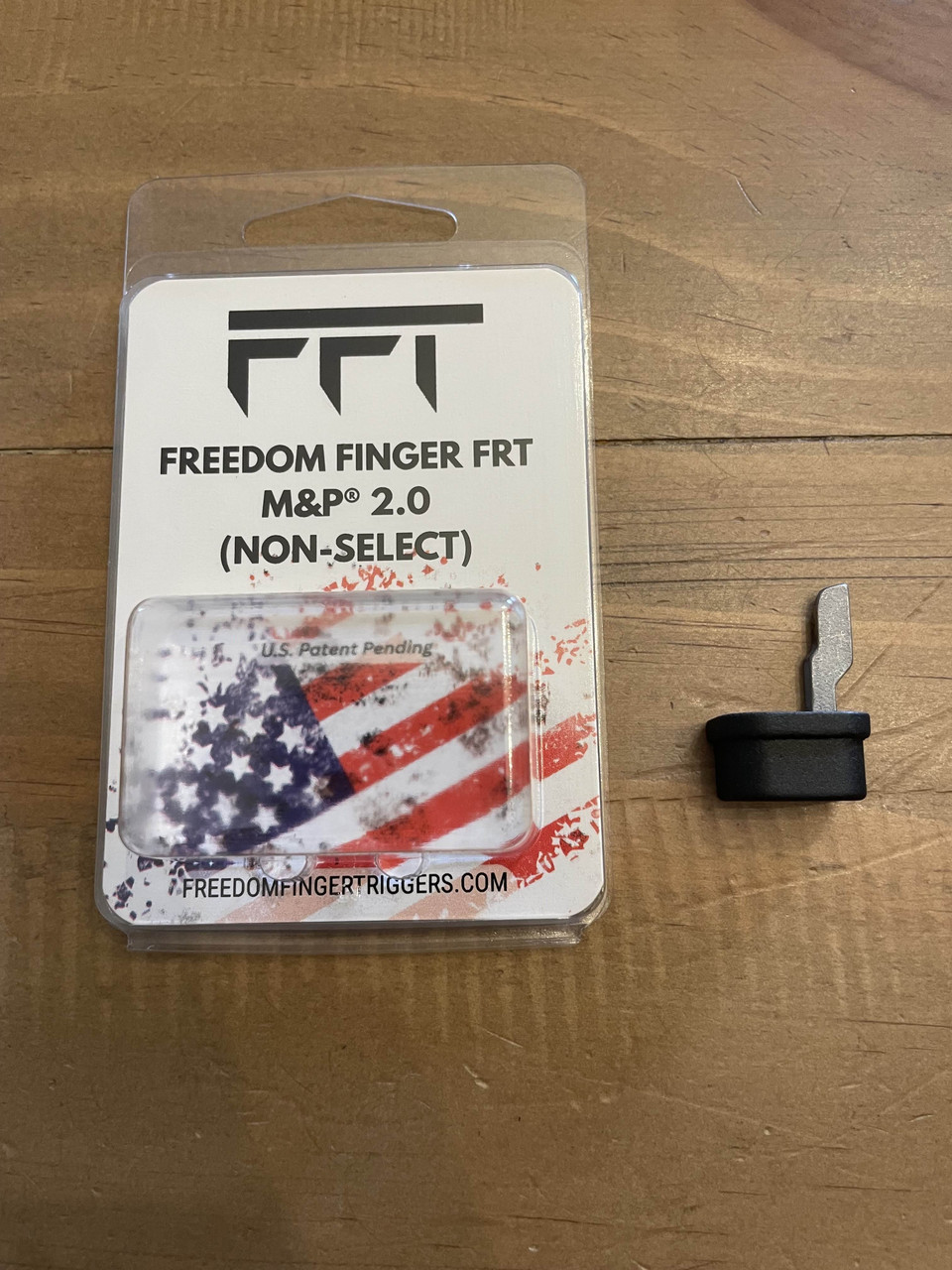
Beyond the feature ban, California explicitly prohibits specific firearms by name and type. It is illegal to possess a .50 BMG rifle, which is defined as a centerfire rifle capable of firing a .50 BMG cartridge. The law also bans “multiburst trigger activators,” a category that includes forced reset triggers (FRTs) and binary triggers. Devices like the Blemished FRT Trigger for M&P 2.0 are considered such devices under California Penal Code and are illegal to possess, sell, or transfer within the state. This is a critical point for builders: installing a trigger that allows a rate of fire the state deems too high can turn your legal rifle into a prohibited “assault weapon” instantly, regardless of other features.
Can I buy a handgun online and have it shipped to California?
Yes, but not directly to you. Any firearm purchased online must be shipped to a California-licensed firearm dealer (FFL). The FFL will then process the transfer, which includes the mandatory background check and 10-day waiting period. The handgun must also be on the state’s Roster of Handguns Certified for Sale, unless you are exempt (e.g., law enforcement) or the transfer is a Private Party Transfer (PPT) of an off-roster gun between two Californians.
What is the “1-in-30” rule for handguns?
California law prohibits any person from purchasing more than one handgun within any 30-day period. This applies to all handgun acquisitions, including private party transfers. There are limited exceptions for private security companies, law enforcement, and those with a valid Curio & Relic license acquiring C&R handguns. The 30-day clock starts on the date the DROS is submitted.
Are “bullet buttons” still legal on rifles?
No. The “bullet button” was a device that required a tool to detach the magazine, which previously allowed rifles to have “evil features” like a pistol grip. Legislation closed that loophole. As of 2017, a firearm with a bullet button is considered an assault weapon if it has any prohibited feature, and it had to be registered as such by the 2018 deadline. Today, to have features like a pistol grip on a semiauto centerfire rifle, you must use a fixed magazine system that requires the action to be disassembled to remove the mag, or go featureless.
Browse our firearms collection
Last updated: March 27, 2026