California Gun Laws 2026: What You Can Buy, Own and Carry
Last checked 7 October 2026. California's firearm laws changed more between 2023 and 2026 than in the previous decade, mostly through court rulings rather than new statutes. Some rules were struck and are not enforced, some were struck and then reinstated, and some are enforced while a case waits at the Supreme Court. This page states what applies today for a buyer, with the status of each case, so you are not relying on a blog post written during a week when the law was different.
Handguns: the roster
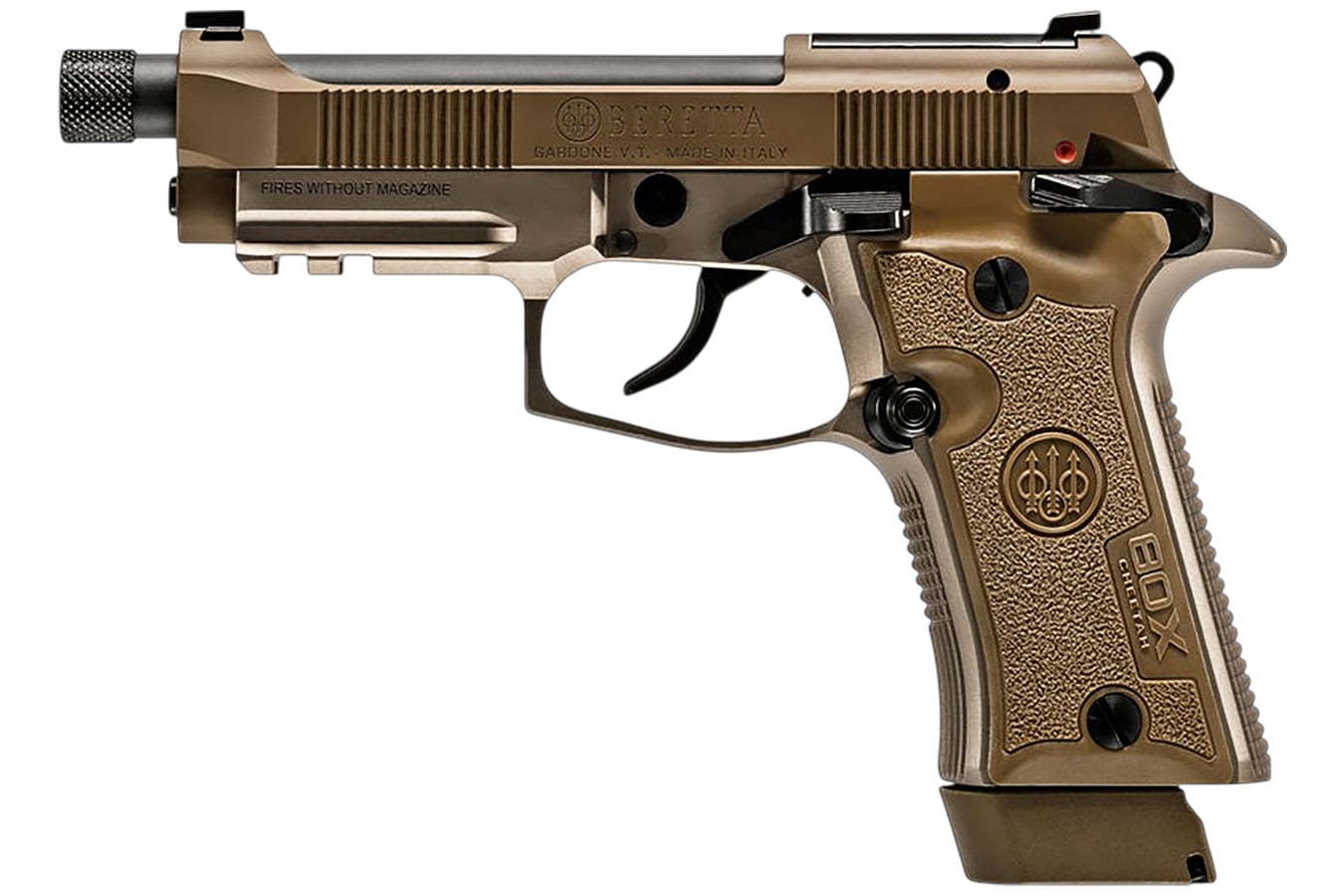
Dealers may only sell semi-automatic pistols on the DOJ Roster of Certified Handguns. Since the 2023 preliminary injunction in Boland v. Bonta the DOJ adds models without microstamping, a chamber-load indicator or a magazine disconnect, and the roster has grown steadily, with new models added as recently as this month. Microstamping survives as a separate dealer rule under SB 452: from 1 January 2028 dealers may only sell microstamping-enabled pistols, contingent on two DOJ findings, the first of which was issued in July 2025. The single-shot exemption that once let dealers sell non-rostered pistols fitted with a long barrel was closed in 2014 and is effectively dead. Revolvers must also be on the roster. Non-rostered pistols can still change hands between Californians through a private-party transfer at a dealer.
Rifles and shotguns: the assault weapon definition
Penal Code section 30515 defines a semi-automatic centerfire rifle as an assault weapon if it has a detachable magazine and any one of a pistol grip that protrudes conspicuously beneath the action, a thumbhole stock, a folding or telescoping stock, a flash suppressor, a forward pistol grip, or a grenade or flare launcher. A rifle with a fixed magazine holding more than ten rounds, or an overall length under thirty inches, is also an assault weapon. A fixed magazine means one that cannot be removed without disassembling the action. The two compliant configurations are featureless, with a detachable magazine and none of the listed features, and fixed-magazine, with the features kept and a ten-round magazine locked in. Semi-automatic shotguns have their own list of prohibited features including a folding stock, a pistol grip with a detachable magazine, and a magazine over ten rounds. The ban is being challenged in Miller v. Bonta, which is pending at the Ninth Circuit after supplemental briefing in January 2026, and it is fully enforced.
Magazines: ten rounds
Buying, importing, selling or manufacturing a magazine that holds more than ten rounds is illegal. The Ninth Circuit sitting en banc upheld the law in March 2025, stayed its own mandate while the Supreme Court considers the petition in Duncan v. Bonta, and the Supreme Court has relisted the case repeatedly without acting as of October 2026. For a buyer the effect is simple: no magazine over ten rounds can ship into California. The possession ban on magazines you lawfully acquired during the 2019 window or before 2000 is not enforced while the stay stands. Los Angeles and San Francisco have their own ordinances banning possession of large-capacity magazines regardless of when they were bought.
.50 BMG
Rifles chambered in .50 BMG are banned under Penal Code section 30610, and the registration window closed in 2005. Other .50-calibre cartridges such as .50 Beowulf and .500 S&W are not covered.
Ammunition
All ammunition sales and deliveries go through a licensed California ammunition vendor, who runs an eligibility check at the counter. The standard check costs five dollars since 1 July 2026, the basic check nineteen dollars, and the check against a Certificate of Eligibility five dollars. Residents may not bring ammunition in from another state without first having it delivered to a vendor. A Ninth Circuit panel struck the check in Rhode v. Bonta in July 2025, the full court took the case en banc in December 2025 and heard argument in March 2026, and no decision has issued, so the check is fully enforced. For hunting, non-lead ammunition has been required statewide for every firearm hunt since July 2019, including pigs, rabbits and varmints.
Who can buy, and the waiting period
Dealers may not transfer any firearm to a person under twenty-one, except a long gun to an eighteen- to twenty-year-old with a valid hunting licence or in the military or law enforcement; the age rule is on appeal but enforced. Every dealer sale needs a Firearm Safety Certificate, costs thirty-seven dollars and nineteen cents in state fees, carries the eleven percent excise tax since July 2024, and starts a ten-day waiting period measured as ten twenty-four-hour periods. The one-firearm-in-thirty-days limit is not enforced following a 2024 injunction affirmed by the Ninth Circuit in June 2025.
Carrying a handgun
After Bruen and SB 2, California counties issue carry permits on a shall-issue basis in practice, with a sixteen-hour initial course including live fire and a written test, and an eight-hour renewal course. Fees and waits vary by county: Los Angeles County charges about two hundred and sixteen dollars plus roughly a hundred for fingerprinting and, after a settlement in August 2026, now decides within the statutory ninety-day windows; San Diego charges one hundred and seventy-six dollars plus fingerprinting and takes around eight months end to end; San Francisco one hundred and forty-four dollars; Sacramento two hundred and ninety-one dollars since July 2026. The SB 2 list of sensitive places is partly enforced: a DOJ bulletin from March 2025 says twenty of the twenty-six categories apply, while hospitals and medical facilities, public transit, permitted public gatherings, places of worship, banks and the private-property no-carry default are enjoined. The Supreme Court struck Hawaii's identical private-property rule in Wolford v. Lopez in June 2026, so that part of SB 2 is not coming back, although a property owner may still post a sign or ask you to leave.
Local ordinances worth knowing
- Los Angeles bans possession of magazines over ten rounds and requires handguns at home to be locked or carried.
- San Francisco bans large-capacity magazine possession and requires locked storage of handguns in residences.
- San Jose requires liability insurance and a twenty-five dollar annual fee for gun owners; the ordinance survived challenge.
- San Diego has a safe-storage ordinance from 2019 and a city ban on unserialized frames.
- Sacramento adds nothing notable beyond state law.
Things buyers still get wrong
- Ammunition cannot ship to a home and the check is five dollars, not one.
- The magazine ban was not overturned; only pre-existing magazines are protected by the stay.
- Microstamping is not a roster requirement today; it is a 2028 dealer rule.
- The ten-day wait has no carry-permit exemption in practice.
- A hunting licence lets an eighteen-year-old buy a rifle, never a handgun.
- Non-lead ammunition applies to every hunting round, not just deer.
We check every product in the catalogue against these rules before shipping to a California dealer. If an item shows as not available to California, the rule above is usually the reason, and a featureless or rostered variant is usually listed beside it.
Suppressors, short-barrelled rifles and machine guns
Suppressors are illegal to possess in California under Penal Code section 33410, with no exception for federal registration. Short-barrelled rifles and shotguns, meaning a barrel under sixteen inches for a rifle or eighteen for a shotgun, or an overall length under twenty-six inches, are illegal under section 33215 unless the owner holds a DOJ dangerous weapons permit, which is not issued to the public. Machine guns are banned under section 32625. Pistol-braced firearms that are registered federally as short-barrelled rifles cannot come into the state. Buyers moving from Texas or Arizona with registered NFA items have to leave them with a dealer or trust outside California.
Unserialized frames and precursor parts
Since 1 July 2022 unfinished frames and receivers are firearm precursor parts. They may only be bought from a licensed precursor parts vendor after an eligibility check, and a home-built firearm must be serialized through the DOJ before it is completed. Buying a frame from an out-of-state website and having it shipped to your door is a crime for both parties. San Diego, Los Angeles and San Francisco add city-level bans on unserialized frames and kits.
Transport and storage
In a vehicle a handgun must be unloaded and in a locked container other than the glove box or centre console; a long gun must be unloaded. At home, state law requires that a firearm not be left where a child or a prohibited person can get at it, and Los Angeles and San Francisco go further by requiring handguns to be locked in a container or with a locking device whenever they are not carried. A firearm sold by a dealer must come with a DOJ-approved safety device or proof that the buyer owns a safe, which is why the dealer asks about a lock at release.
Open carry and the car
Open carry of a loaded or unloaded handgun is prohibited in incorporated cities and in most of the state, with narrow exceptions for hunting and target ranges. A loaded firearm in a vehicle is prohibited without a carry permit, and loaded means a round in the chamber or a loaded magazine attached. A carry permit issued by any California county is valid statewide, subject to the sensitive-places list.
Where to check a rule before you rely on it
The DOJ Bureau of Firearms publishes the roster, the fee schedule, the DROS instructions and the sensitive-places bulletin, and those pages are updated when a court changes something, though sometimes weeks late. The Legislature's own site carries the Penal Code text. For hunting rules, CDFW publishes the regulations booklet and the fee list each July. If a blog and an official page disagree, the official page wins, and if two official pages disagree, which happens with the one-in-thirty text, the court order wins.