Canadian Firearms Laws Explained
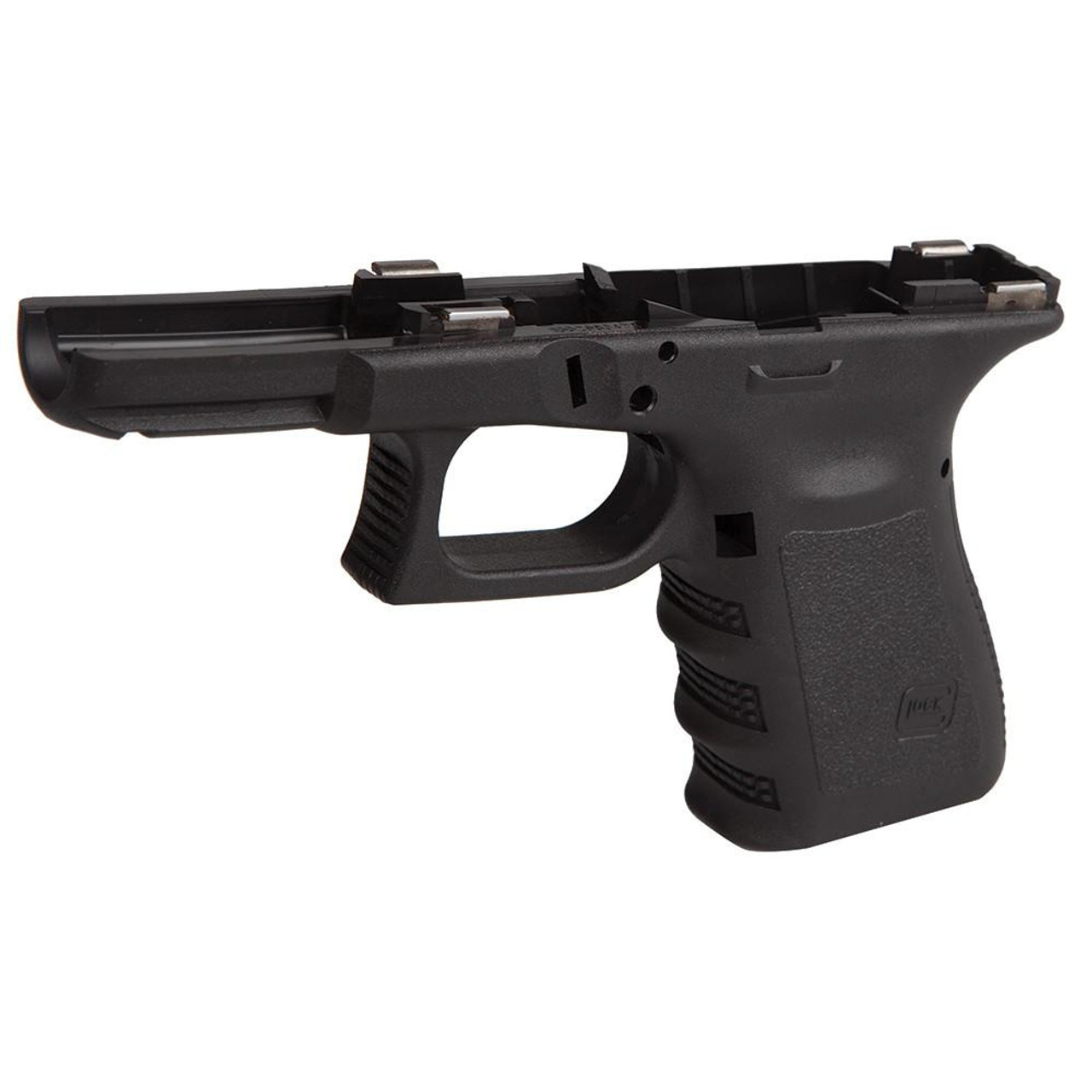
Owning a handgun in Canada is fundamentally different than in the United States. For instance, a Factory OEM Glock 19 Gen 3 Stripped Frame is a common starting point for a build in many U.S. states, but in Canada, that frame itself is classified as a prohibited device. Understanding these classifications is the first step for any shooter looking north.
The Three Firearm Classes: Non-Restricted, Restricted, Prohibited
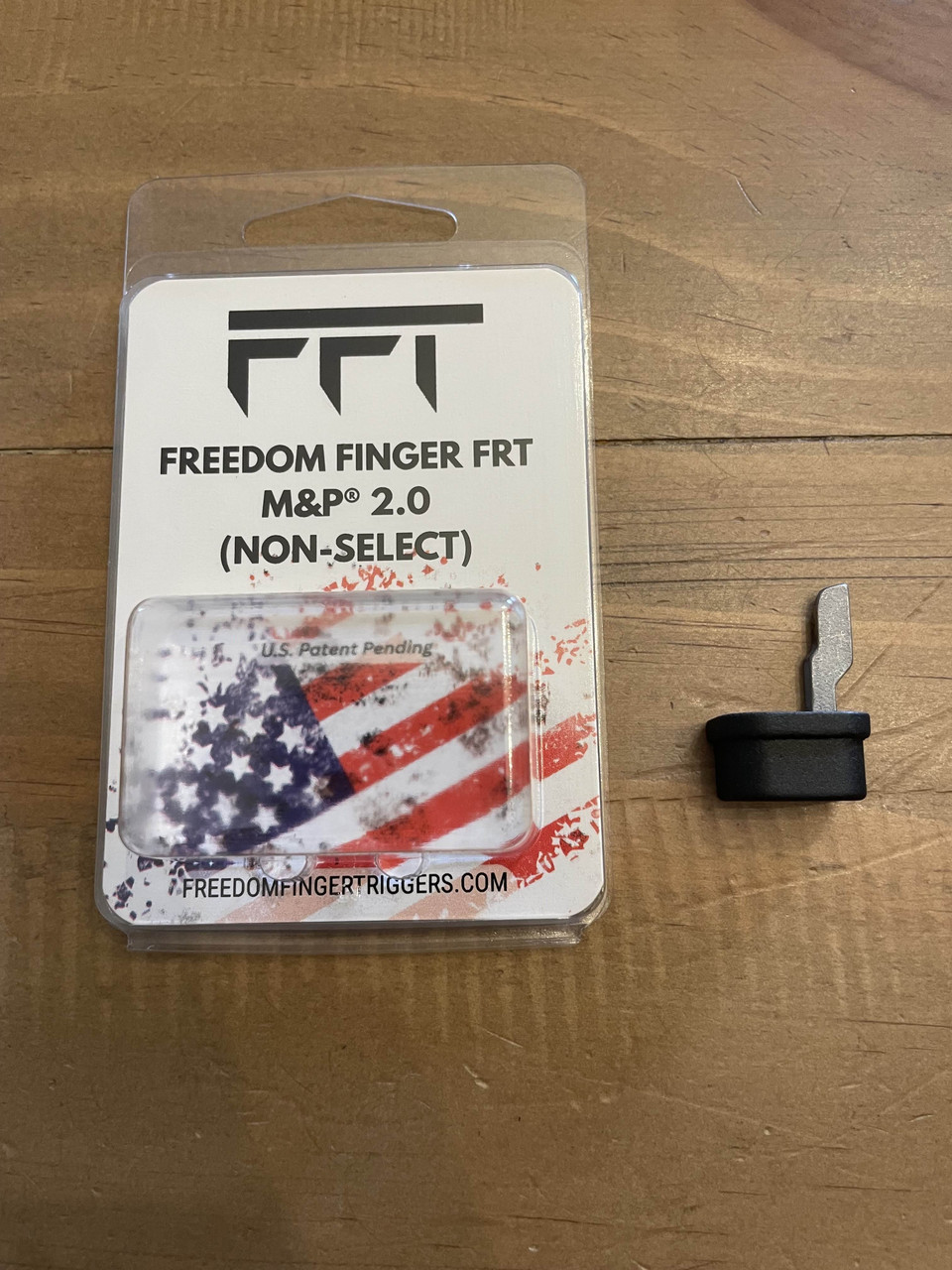
Canada’s Firearms Act categorizes all firearms into three classes. Non-restricted firearms are most conventional rifles and shotguns, like many bolt-actions and pump-actions used for hunting. You need a Possession and Acquisition Licence (PAL) to buy them. Restricted firearms include all handguns with a barrel length over 105mm (about 4.1 inches) and certain semi-automatic rifles. These require a Restricted PAL (RPAL) and are registered to the owner. Prohibited firearms include handguns with barrels 105mm or shorter, automatic weapons, and firearms prescribed by name (like the AK-47). For the average licence holder, prohibited firearms are generally off-limits. This is why a product like a Blemished FRT Trigger, designed to increase rate of fire, would be classified as a prohibited device in Canada, regardless of the host firearm.
The Licensing Process: PAL and RPAL
You cannot simply walk into a store and buy a firearm in Canada. The mandatory first step is obtaining a Possession and Acquisition Licence (PAL). This involves taking the Canadian Firearms Safety Course (CFSC), passing written and practical exams, and submitting an application to the Royal Canadian Mounted Police (RCMP) with references and a background check. The process takes a minimum of several months. To own restricted firearms like handguns, you must also take the Canadian Restricted Firearms Safety Course (CRFSC) and apply for an RPAL. Your licence must be renewed every five years. Even with an RPAL, purchasing a restricted firearm involves calling the RCMP for a transfer authorization before the seller can release it to you. This is a key difference from the process at a shop like Californiagunshop, where compliance focuses on state-level regulations like California’s roster and 10-day wait.
Transport, Storage, and Use Regulations
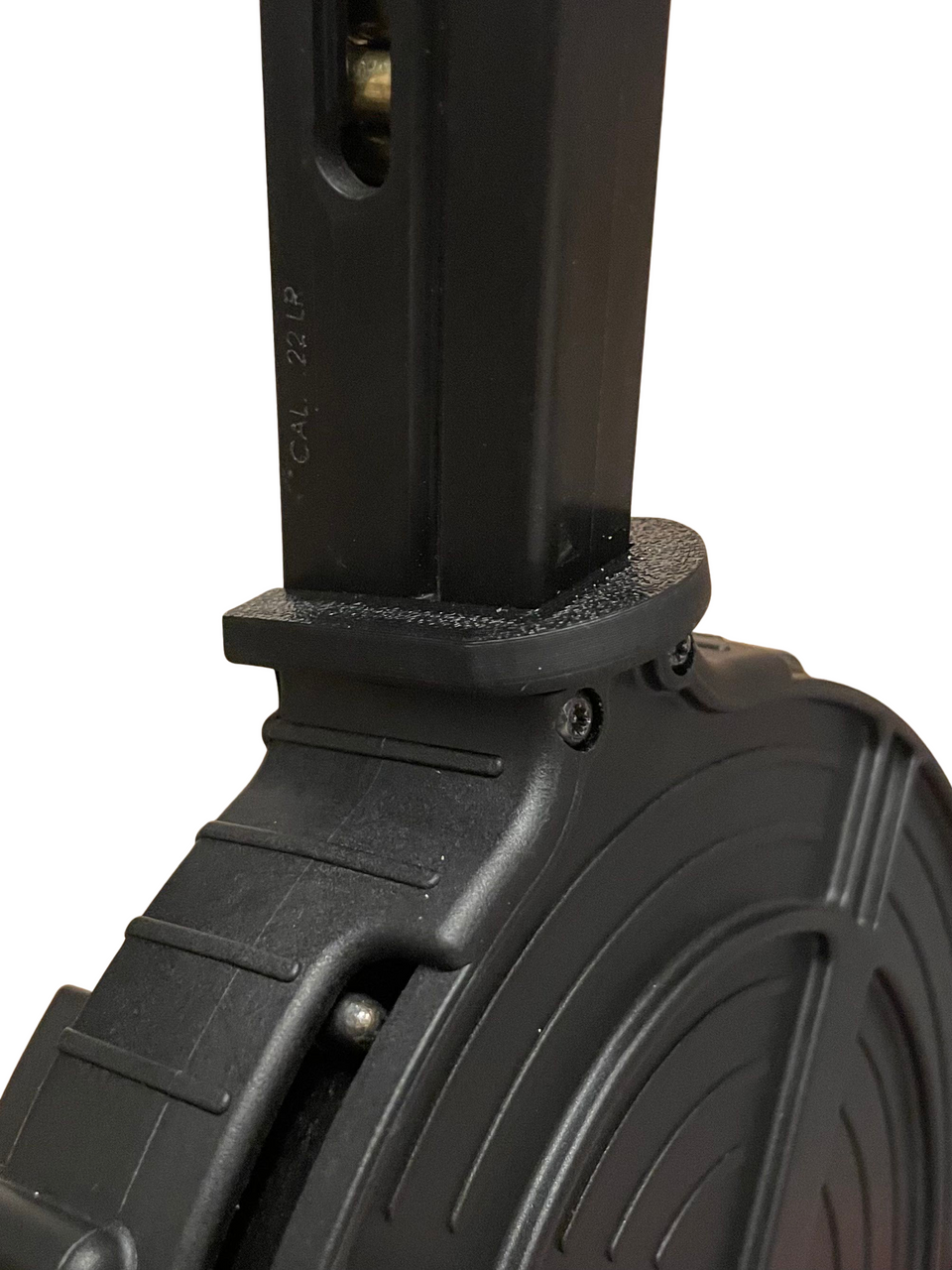
Owning a firearm in Canada comes with strict ongoing responsibilities. For non-restricted firearms, they must be stored unloaded, preferably locked, with ammunition stored separately. For restricted and prohibited firearms, they must be stored double-locked: with a trigger lock or cable lock AND in a sturdy, locked container or safe. Transporting a restricted firearm requires a specific Authorization to Transport (ATT) issued with your licence for purposes like taking it to a certified range or a gunsmith. The firearm must be unloaded, locked in a secure, opaque container, and you must travel directly to and from your authorized destination. There is no concept of concealed or open carry for personal protection. Magazine capacity is also heavily restricted; centerfire semi-automatic rifle magazines are limited to 5 rounds, and handgun magazines to 10 rounds. A device like a GSG Firefly Drum Magazine Adapter would be illegal to use in Canada.
Recent Changes and the 2022 Handgun Freeze
Canadian firearms law is not static. The most significant recent change is the national “freeze” on the sale, purchase, and transfer of handguns within Canada, enacted in October 2022. This means that while existing licensed owners can keep their registered handguns, the commercial market for new handguns among civilians is effectively closed. Exceptions are very limited (e.g., elite sport shooters, certain professions). This policy stands in stark contrast to the U.S. market, where shops like Californiagunshop continue to offer a wide variety of new and used handguns, such as the Glock 23 Gen4 .40 S&W Police Trades, to qualified buyers. Additionally, the May 2020 Order in Council reclassified over 1,500 models of “assault-style” firearms as prohibited, banning their future sale and requiring a mandatory buyback program for existing owners.
Key Differences from U.S. Law (Especially California)
For American shooters, the differences are profound. First, there is no equivalent to the Second Amendment; firearm ownership in Canada is a privilege, not a right. While California has its own strict laws (like the handgun roster, assault weapon ban, and 10-round magazine limit), the foundational system is different. In California, you can still buy, sell, and transfer handguns freely between private parties with a FFL intermediary. In Canada, that market is frozen. California requires a Firearm Safety Certificate (FSC) test and a 10-day wait for all firearm purchases, but Canada’s PAL process is more extensive. Both jurisdictions regulate magazine capacity, but Canada’s 5-round limit for most centerfire long guns is more restrictive than California’s 10-round limit. The emphasis in Canada is overwhelmingly on hunting and sport shooting, with self-defense not being a valid reason for licensing or transport.
Can I bring my personally owned firearm from the U.S. into Canada?
It is possible but requires significant advance planning. You must declare the firearm at the border. It must be for a lawful purpose (e.g., competition, hunting). You will need a valid Non-Resident Firearm Declaration (form RCMP 5589) confirmed by Canada Border Services Agency (CBSA), and the firearm must comply with Canadian classification and magazine capacity laws. Prohibited firearms (including short-barreled handguns) will be denied entry. It is strongly advised to contact the CBSA and the RCMP Canadian Firearms Program well in advance of travel.
What happens if I inherit a firearm in Canada?
You must have a valid PAL (or RPAL if it’s a restricted firearm) to legally take possession. The executor of the estate must apply for a temporary Licence for Firearms for Executors if they do not have a licence. The firearm must be stored according to law immediately. For restricted firearms, the transfer must be approved by the RCMP. If you do not want the firearm or are not licensed, it must be disposed of through a licensed dealer, turned over to police, or rendered permanently inoperable.
Are airsoft and replica guns regulated in Canada?
Yes. As of 2022, any airgun that fires a projectile at 366 feet per second (fps) or greater and has a muzzle energy of 5.7 joules or more is considered a firearm and requires a PAL. Replica firearms (devices that exactly resemble a real firearm) are prohibited devices. This means many common airsoft guns now fall under firearms regulations, and realistic replicas are banned entirely for public possession.
Browse our firearms collection
Last updated: March 27, 2026