
Firearms Maintenance: A Practical Guide
A Glock 19 with 5,000 rounds through it without a cleaning will likely still fire. That doesn’t mean you should test that theory. Carbon fouling, copper jacket deposits, and unburned powder act as an abrasive paste, accelerating wear on your barrel’s rifling, slide rails, and trigger components. Proper maintenance isn’t about superstition; it’s about preserving accuracy, ensuring reliability, and extending the service life of a significant investment.
The Core Tools You Actually Need
Skip the gimmicky kits. You need a solid brass cleaning rod, a .30 caliber bore guide for rifles, a set of quality jags and brushes matched to your calibers (a .22 brush for .223/5.56, a .30 cal for .308, etc.), and patches. For handguns, a polymer or coated rod is fine. Use a good solvent like Hoppe’s No. 9 or Slip 2000 Carbon Killer for carbon, and a dedicated copper remover like Sweets 7.62 if you see persistent green or blue streaks in your rifle barrel. Lubrication is critical: use a dedicated gun oil like Lucas Oil or CLP on sliding surfaces (slide rails, bolt carrier group) and a grease like TW25B on high-pressure points like the locking lugs of an AR-15 or the frame rails of a 1911. A basic set of punches and a gunsmithing screwdriver set from Wheeler or Real Avid will prevent you from marring screws during disassembly.
Field Stripping & The Basic Clean
Every modern firearm has a field-strip procedure outlined in its manual. For an AR-15, this means separating the upper and lower receivers and removing the bolt carrier group. For a Glock, it’s pulling the trigger to release the slide. Once stripped, run a solvent-wet patch through the barrel from the chamber end, then follow with a bronze brush for 10-15 passes. Let it sit for 5-10 minutes, then run dry patches until they come out clean. Wipe down all internal parts—the slide, frame, bolt, etc.—with a solvent-damped rag to remove carbon and residue. Apply a light coat of oil to all metal surfaces to prevent rust, then lubricate specific friction points. On an AR-15 BCG, oil the cam pin, firing pin, and the exterior of the bolt. On a Glock, a drop on each of the four slide rail contact points is sufficient. Over-lubrication attracts dirt and grit.
Magazine Maintenance is Non-Negotiable
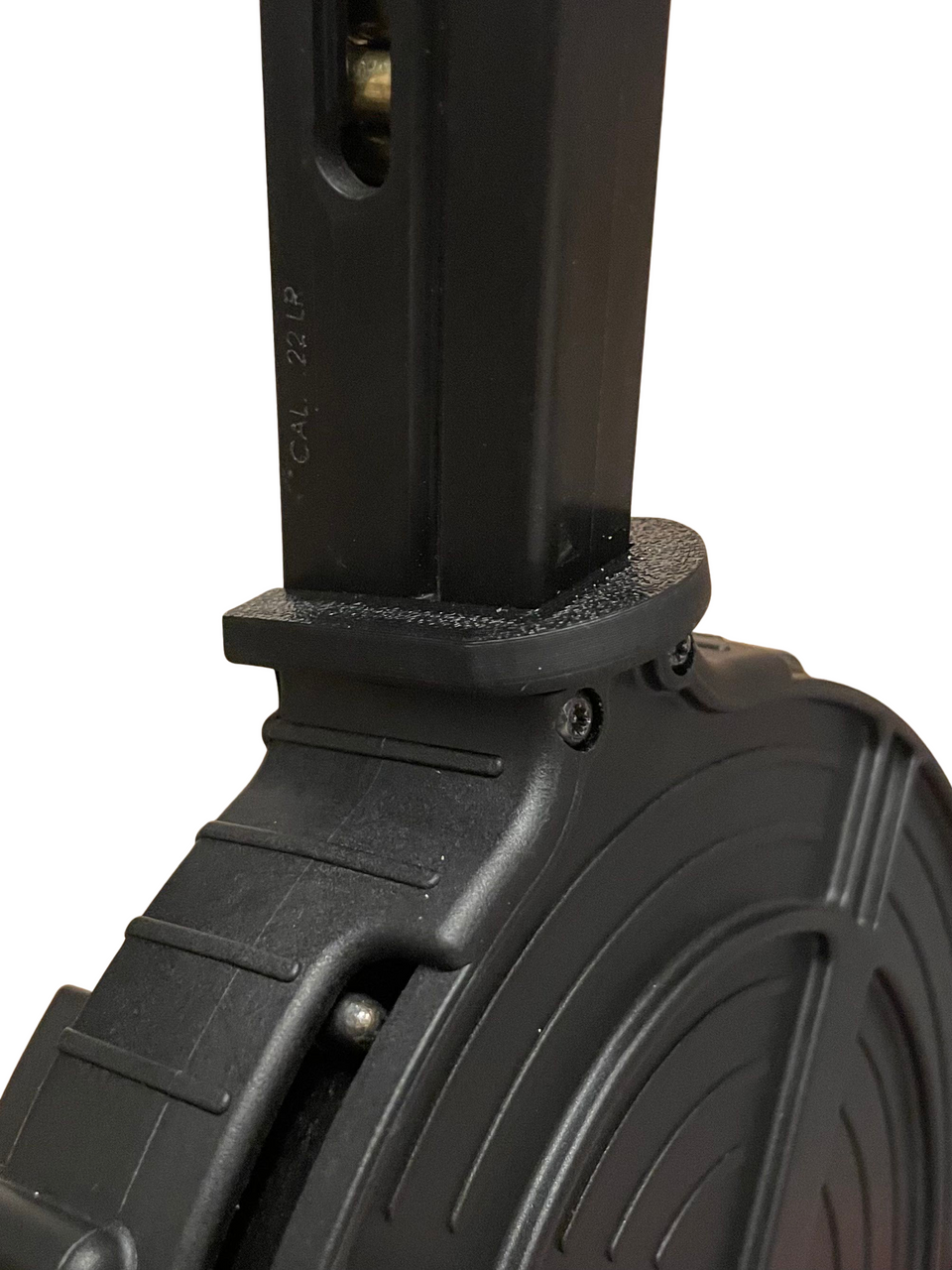
A malfunction is more often a magazine problem than a firearm problem. Magazines are wear items. Every few range sessions, or at least quarterly, disassemble your magazines. For common pistols like Glocks or Smith & Wesson M&Ps, this usually means depressing the follower and sliding the baseplate off. Inspect the spring for signs of deformation or rust. Check the follower for cracks and ensure it moves smoothly. Wipe the interior of the magazine tube clean of dirt, lint, and carbon buildup. A dirty magazine tube can cause followers to bind, leading to failures to feed. Lightly lubricate the spring with a dry lubricant like Hornady One-Shot or a *very* light coat of oil—excess oil will attract debris and gum up. This is also the time to check for damaged feed lips, which can ruin your day at the range. We see a lot of used police trade-in Glocks where the magazines are the component needing the most attention.
Inspecting for Wear and When to Replace Parts
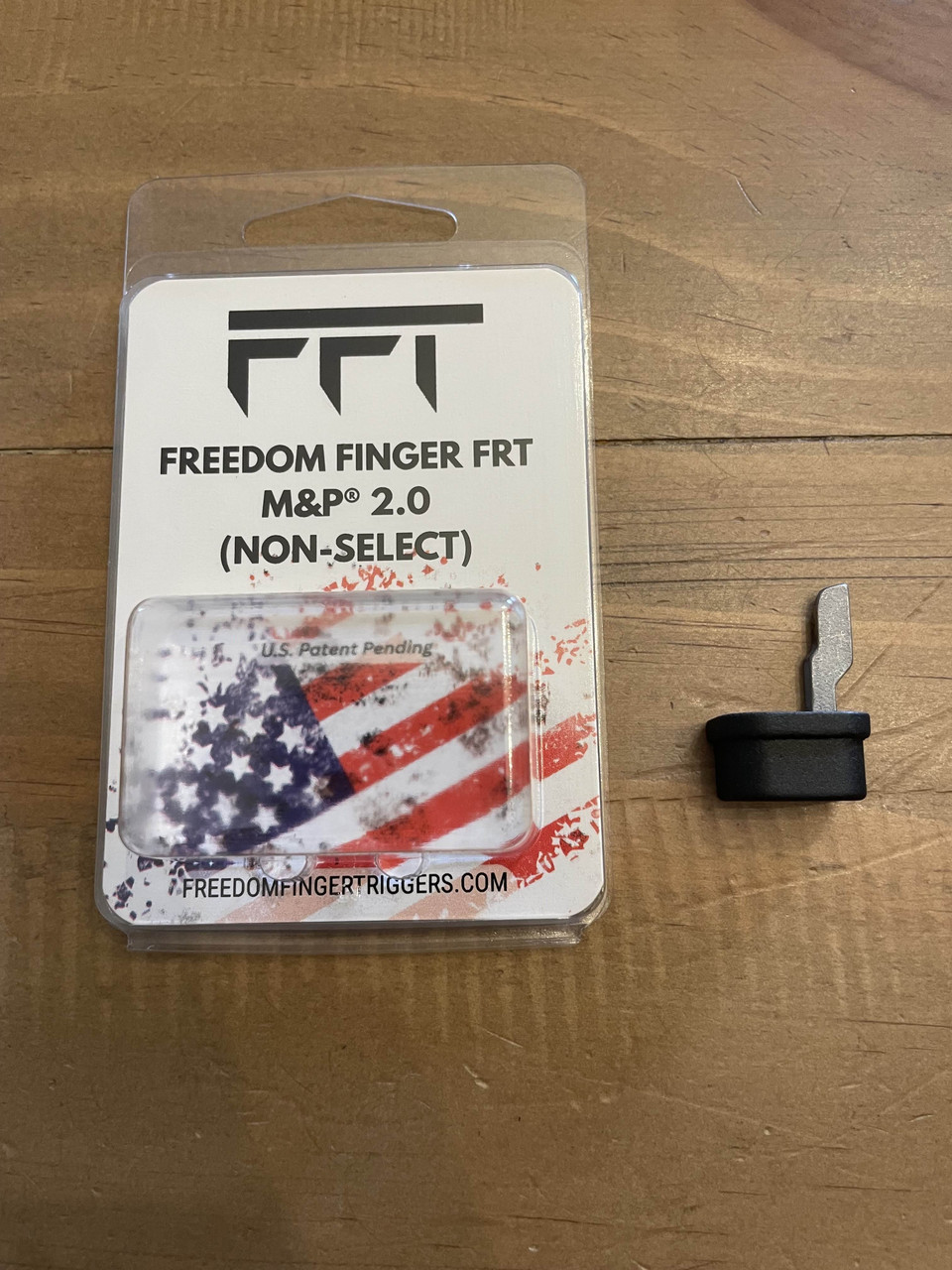
Cleaning is your opportunity to inspect. On a striker-fired pistol, check the striker channel for excessive carbon or debris. Look at the extractor claw for chipping or rounded edges. On an AR-15, check the gas rings on the bolt by extending the bolt from the carrier; if it doesn’t support its own weight, the rings may be worn. Inspect the firing pin for a rounded or chipped tip. Springs do wear out. A good rule of thumb is to replace recoil springs every 3,000-5,000 rounds in a handgun, and buffer springs in an AR-15 every 5,000-10,000 rounds. If you’re running a high-volume training schedule or using a modified trigger system, inspections should be more frequent. For instance, if you’ve installed a performance trigger like a blemished FRT for an M&P, checking for proper sear engagement and spring tension during cleaning is a smart habit.
Long-Term Storage & Corrosion Prevention
For firearms in a safe, the enemy is humidity. A goldenrod dehumidifier is the single best investment for a gun safe. For individual guns, apply a heavier preservative oil like Break-Free COLLECTOR or a rust-preventive grease like RIG (Rust Inhibiting Grease) to all metal surfaces if they will be stored for months. Silica gel packs in the gun case help. For bores, consider using a product like Bore Storage, which leaves a protective film. Never store a firearm in a foam-lined case long-term; foam traps moisture against the metal. If you live in a coastal area, like many of our customers at Californiagunshop, this is critical. A quick wipe-down with an oiled cloth after handling is also mandatory, as fingerprints are acidic and will etch the finish over time.
How often should I clean my gun?
It depends on use. After every range session is ideal to prevent corrosive buildup. For a defensive firearm carried daily but rarely fired, a detailed strip, clean, and lube every 4-6 months is wise to remove lint and body salts. A hunting rifle used once a year needs a thorough cleaning before and after the season.
Can I use WD-40 on my firearm?
No. WD-40 is a water-displacing solvent and light penetrant, not a lubricant. It will evaporate and leave a gummy varnish that attracts carbon and dirt. It offers no lasting corrosion protection or lubrication under pressure. Use products designed for firearms.
My barrel has pitting. Is it safe to shoot?
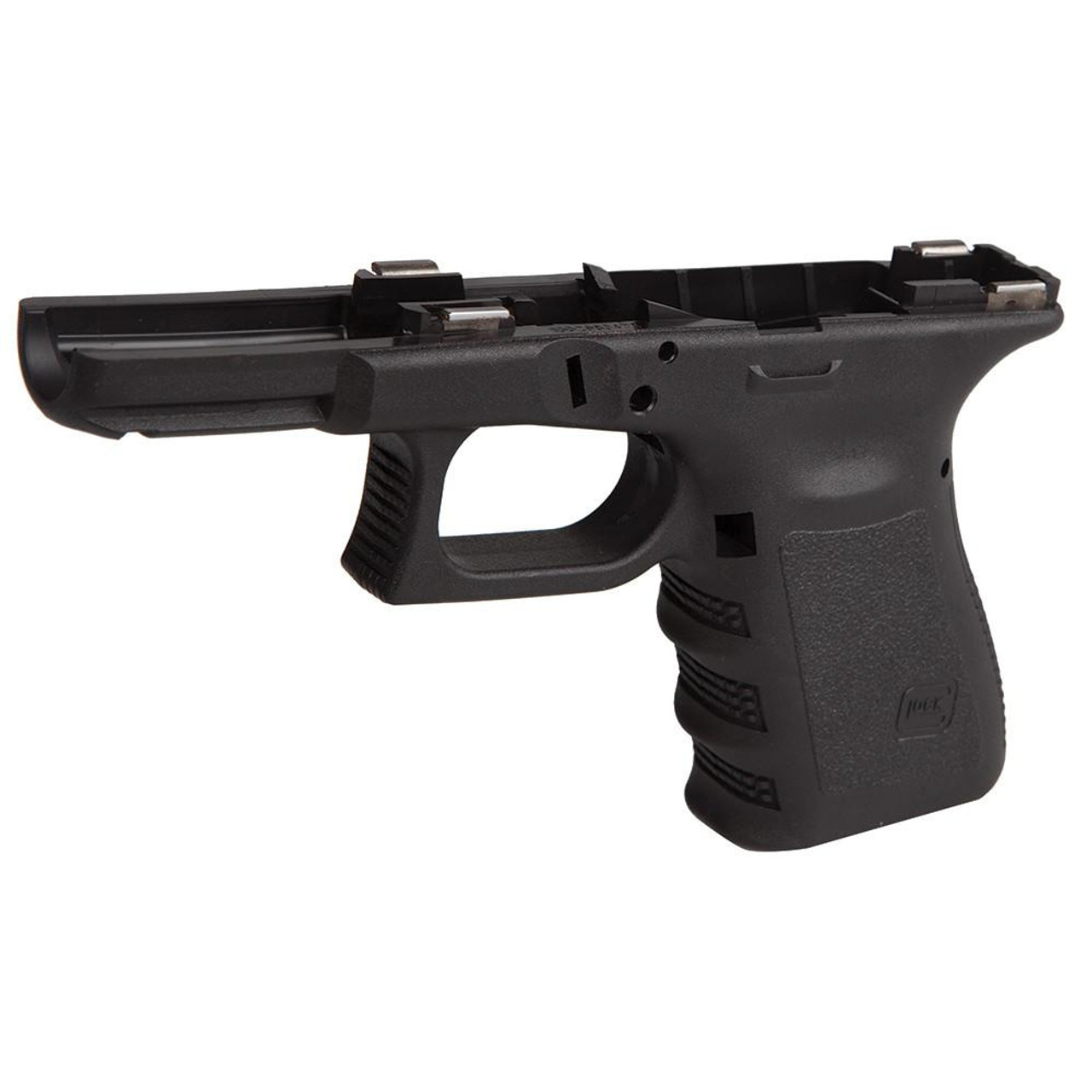
Pitting is corrosion that has eaten into the metal. Light, superficial pitting in the bore may not affect safety but will harm accuracy. Deep pitting, especially near the chamber or muzzle, can weaken the steel. Have a qualified gunsmith inspect it. It’s often more cost-effective to replace the barrel, which is why we stock items like OEM Glock frames and other critical components.
Browse our firearms collection
Last updated: April 14, 2026