How to Get Your Firearm Safety Certificate
You can’t walk into a California gun store and buy a handgun, semiautomatic centerfire rifle, or complete lower receiver without showing a valid Firearm Safety Certificate (FSC). It’s the state-mandated first step, and without it, you’re not leaving with a new firearm. The process is straightforward, but you need to know the rules. Here’s exactly how it works, from the test to the purchase.
What the Firearm Safety Certificate Actually Is
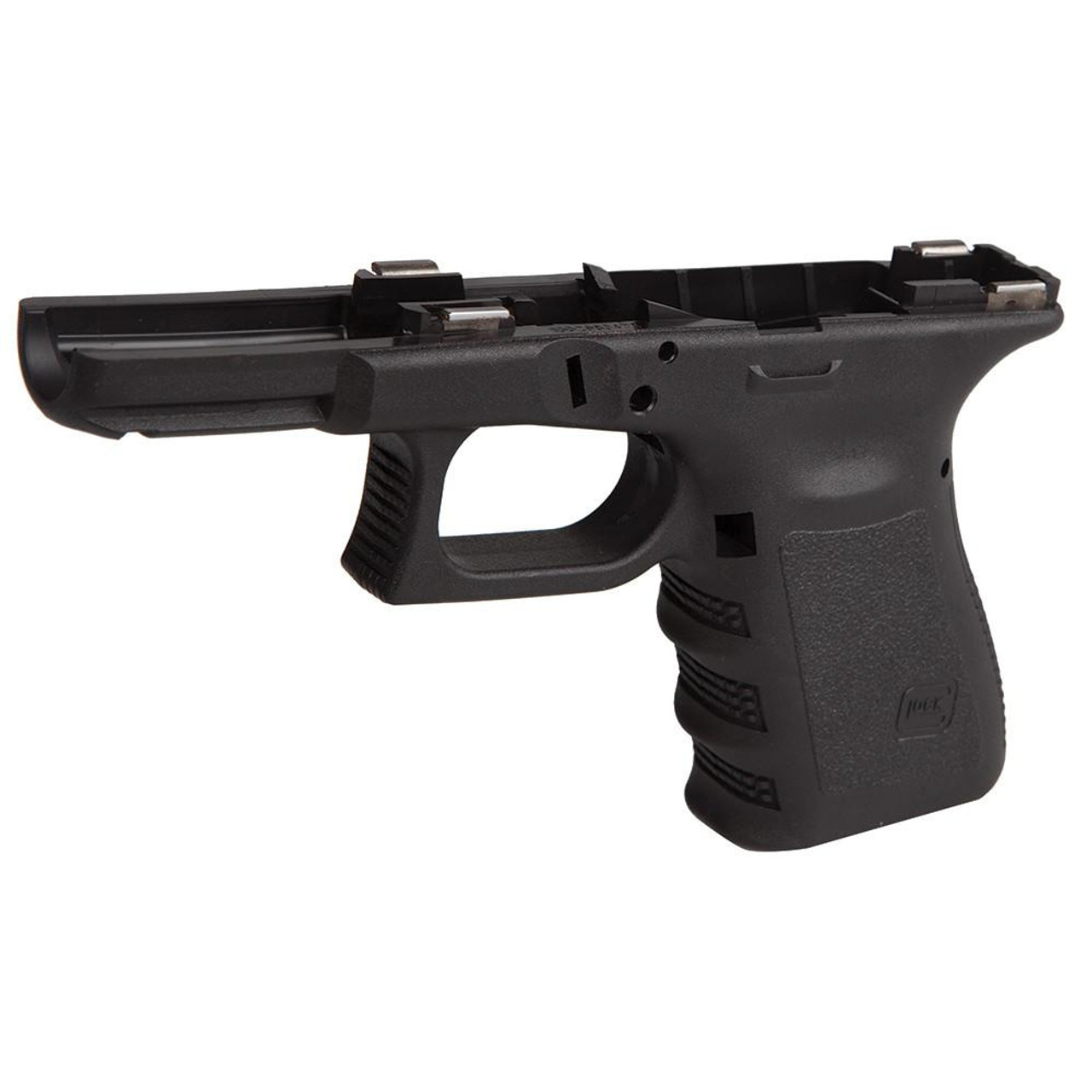
The FSC is a state-issued card, valid for five years, that proves you passed a written test on firearm safety and California law. It’s not a license to carry, and it doesn’t authorize you to purchase every type of firearm—just those covered under the law. The test itself is 30 multiple-choice questions drawn from a 100-question study guide published by the California DOJ. You need a score of at least 75% (23 correct) to pass. The test fee is $25, and the certificate costs an additional $5. You take the test at a DOJ-certified instructor, which includes most licensed firearm dealers. For example, when you’re ready to handle a Factory OEM Glock 19 Gen 3 Stripped Frame, you’ll need that FSC in hand before the DROS process can even begin.
The Core Safety Principles You Must Know
The test focuses on the four fundamental rules of firearm safety, which are non-negotiable for any responsible owner. First: treat every firearm as if it is loaded. Second: always point the muzzle in a safe direction. Third: keep your finger off the trigger and outside the trigger guard until you are ready to shoot. Fourth: be sure of your target, what is in front of it, and what is beyond it. Beyond these, you’ll be tested on safe storage requirements for preventing child access, the legal implications of negligent discharge, and the mechanical differences between types of actions, like the striker-fired system in a Glock versus a single-action 1911. This isn’t theoretical; applying these rules is critical whether you’re handling a new 23 Gen4 40 S&W or cleaning your own rifle.
California-Specific Laws on the Test
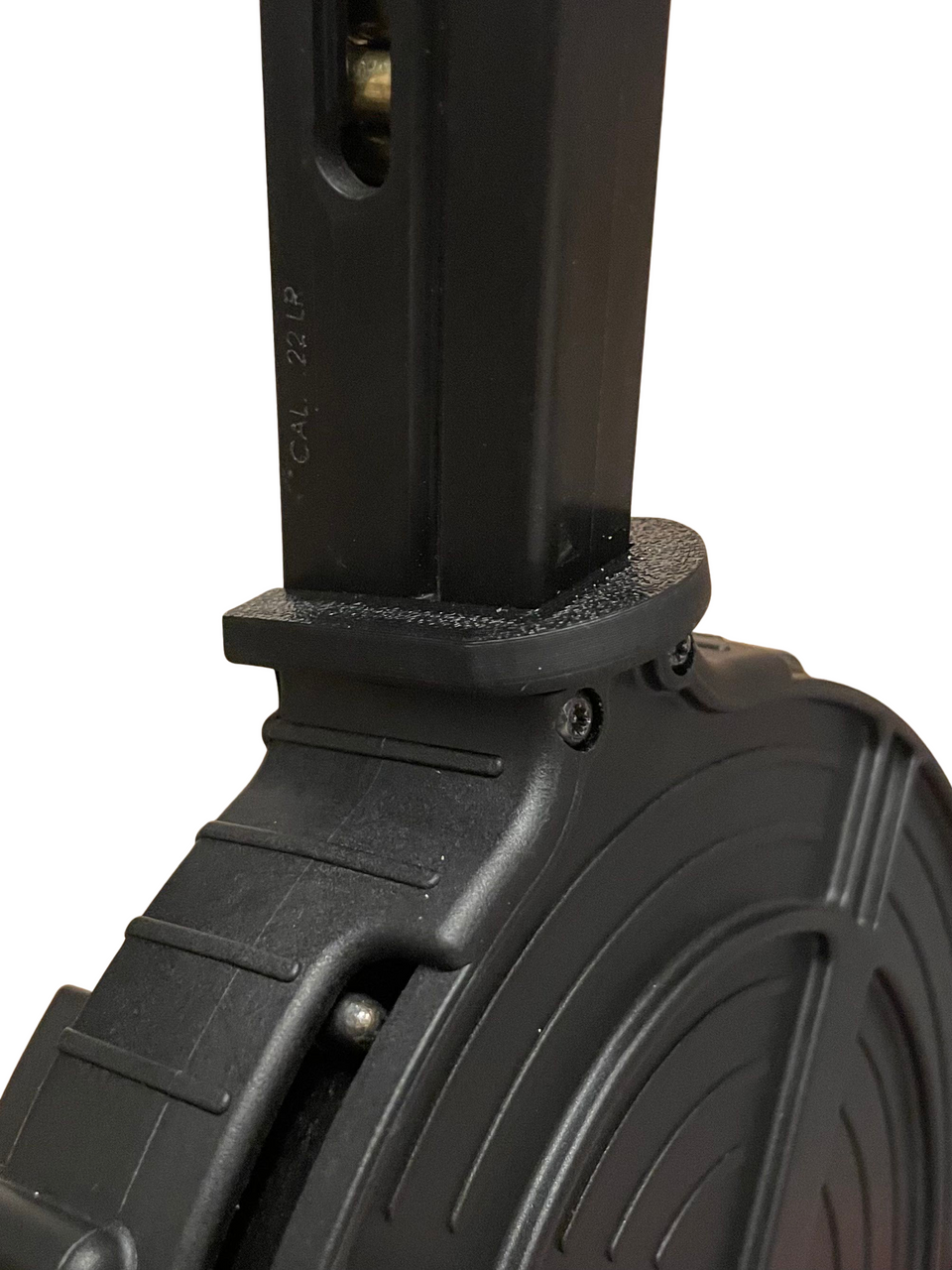
A significant portion of the FSC test covers California Penal Code. You need to know the state’s definition of an “imitation firearm,” the laws regarding carrying a concealed firearm without a permit, and the restrictions on selling or transferring a firearm privately. You’ll be asked about “gun-free zones” like schools and government buildings, and the legal requirements for transporting firearms in a vehicle (locked container, unloaded). The test also covers the 10-day waiting period, the one-handgun-per-30-days rule, and the fact that the FSC itself is only required for the purchaser, not for someone simply receiving a firearm as a gift or through an intrafamilial transfer. Understanding these laws is as important as knowing how a GSG Firefly Drum Magazine Adapter interfaces with your firearm.
Taking the Test and Using Your FSC
To take the test, visit a DOJ-certified location with a government-issued photo ID. You’ll take the test on paper or electronically, and get your results immediately. Once you pass and pay the $30 total fee, you’ll receive your FSC card. Keep this card with you when you go to purchase a firearm. The dealer will record the unique FSC number on your DROS paperwork. Remember, the FSC is required at the point of sale for covered firearms. This means you can browse the Semi-Automatic Handguns collection at Californiagunshop to decide what you want, but you must have that physical FSC card before we can start the official transfer. It’s also your responsibility to know when it expires; an expired FSC is invalid for new purchases.
FSC Exemptions and Other Required Certifications
The FSC isn’t required for everyone. Valid exemptions include holders of a California Carry Concealed Weapon (CCW) license, active or honorably retired peace officers, and individuals with a valid Curio & Relic (C&R) Federal Firearms License (FFL) with a Certificate of Eligibility (COE). Also, the FSC is not required for the purchase of long guns that are not semiautomatic centerfire rifles (like bolt-action rifles or shotguns). However, remember that the FSC is just one piece of the puzzle. You still need to pass the federal background check (NICS), provide proof of residency, and comply with all other California laws, like the Safe Handgun Roster for new handgun purchases. Once you’re squared away, you can focus on selecting the right gear, like FEDERAL RANGE AND TARGET BRASS 9MM 115-GRAIN for the range.
Frequently Asked Questions
How to firearm safety certificate?
The Firearm Safety Certificate (FSC) is a mandatory card for purchasing most firearms in California. You obtain it by passing a 30-question written test on firearm safety and state law at a DOJ-certified location, which includes most gun stores. The test costs $25, and the card itself is an additional $5.
How to get firearm safety certificate?
Bring a government-issued photo ID to a DOJ-certified firearm dealer or instructor. You will take the test, and if you score at least 75% (23 out of 30), you pay the $30 fee and receive your FSC card on the spot. The card is valid for five years from the date of issue.
How to renew firearm safety certificate in California?
You do not “renew” an FSC. When your FSC expires after five years, you must retake and pass the written test again to obtain a new certificate. The process and fees are identical to getting your first FSC. There is no grace period; an expired card is not valid for new purchases.
Browse our firearms collection
Last updated: March 28, 2026