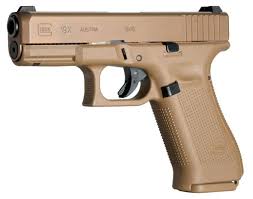
The Firearms Guide Book: A Real-World Manual
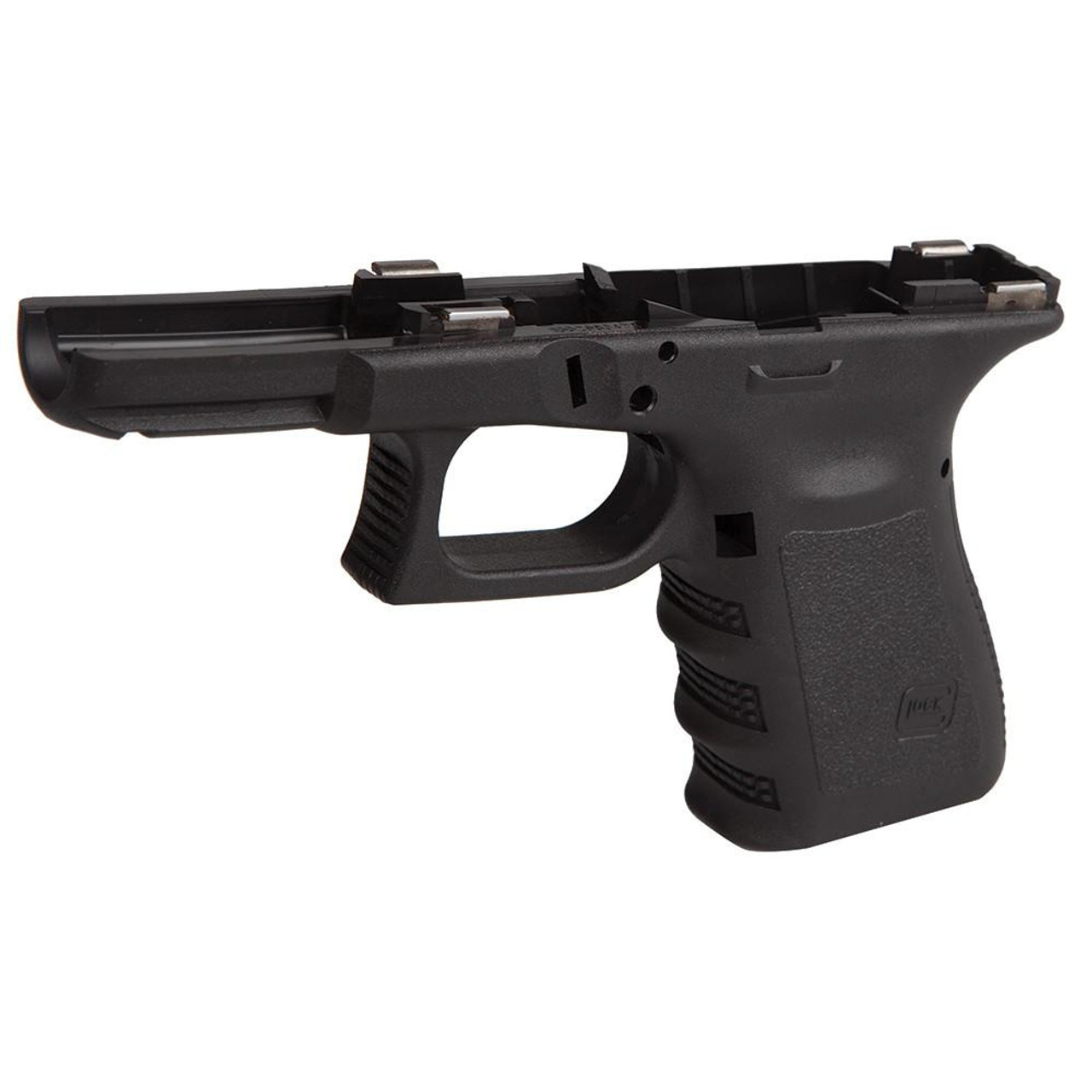
You’re holding a new Glock 19 Gen 3 stripped frame from Californiagunshop. The serialized part is in your hand, but the rest is a box of pins, springs, and a slide. A guide book isn’t about philosophy; it’s the step-by-step that gets this pistol built, functional, and legal. That’s the difference between theory and applied knowledge.
1. The Foundation: Understanding Firearm Types & Actions
Start with mechanics. A semi-automatic pistol, like a Glock 17, uses gas or recoil to cycle the next round. A revolver, like a Smith & Wesson 686, uses a mechanically rotating cylinder. This isn’t just trivia; it dictates your maintenance, your malfunction drills, and your state’s compliance rules. For example, California’s roster specifically lists approved semi-automatic handguns. Knowing that a Glock 23 Gen4 in .40 S&W is a police trade-in exempt from the roster is practical, actionable information you won’t find in a generic pamphlet.
2. California Compliance: Navigating the Roster and Feature Laws
California law operates on two parallel tracks: the Handgun Roster and feature-based bans. The Roster is a list of handguns certified for sale by a licensed dealer to the general public. New models are effectively frozen. However, private party transfers (PPT), single-shot exemptions (SSE), and law enforcement trades exist outside this list. That’s why you’ll find off-roster pistols like a Factory OEM Glock 19 Gen 3 Stripped Frame for sale—it’s the foundation for a legal build. Simultaneously, “assault weapon” laws ban specific features on rifles, like pistol grips and flash hiders on AR-15s. Your guide must have the current DOJ flowchart, not last year’s opinions.
3. The Critical Path: Purchasing, DROS, and the 10-Day Wait
The purchase process is a fixed procedure. You must have a valid Firearm Safety Certificate (FSC), pass a background check via the Dealer’s Record of Sale (DROS), and observe a mandatory 10-day waiting period. There are no shortcuts. Ammunition purchases also require a background check. Your guide should detail the exact documents needed: CA Driver’s License/ID, proof of residency (like a utility bill), and a second form of ID. It should also explain real-world timing; the “10-day wait” is 10 full 24-hour periods, starting when the DROS is submitted. While you’re waiting, pick up some Federal 9mm 115-grain FMJ for your first range trip.
4. Aftermarket Parts & Modifications: What’s Legal, What’s Not
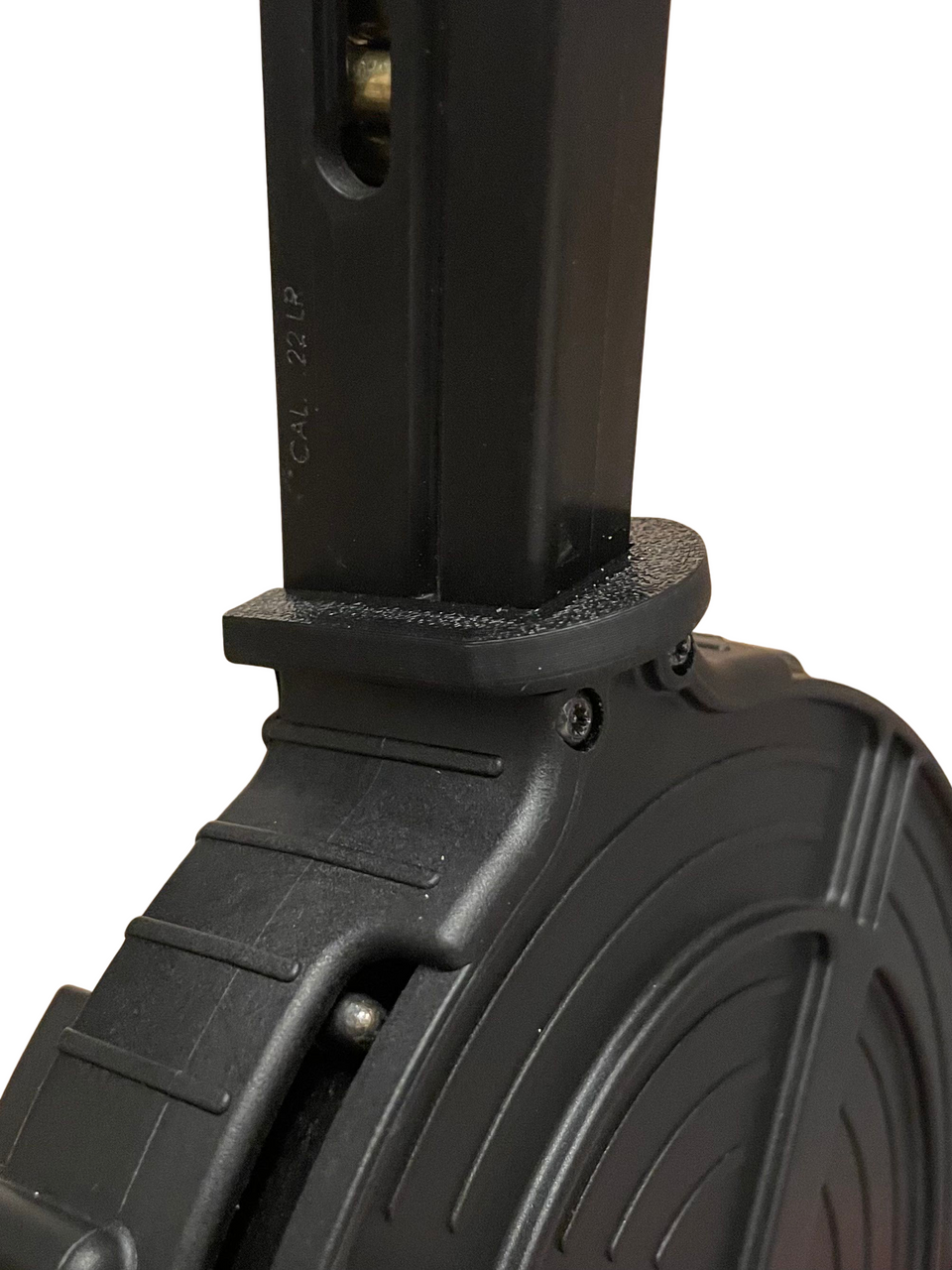
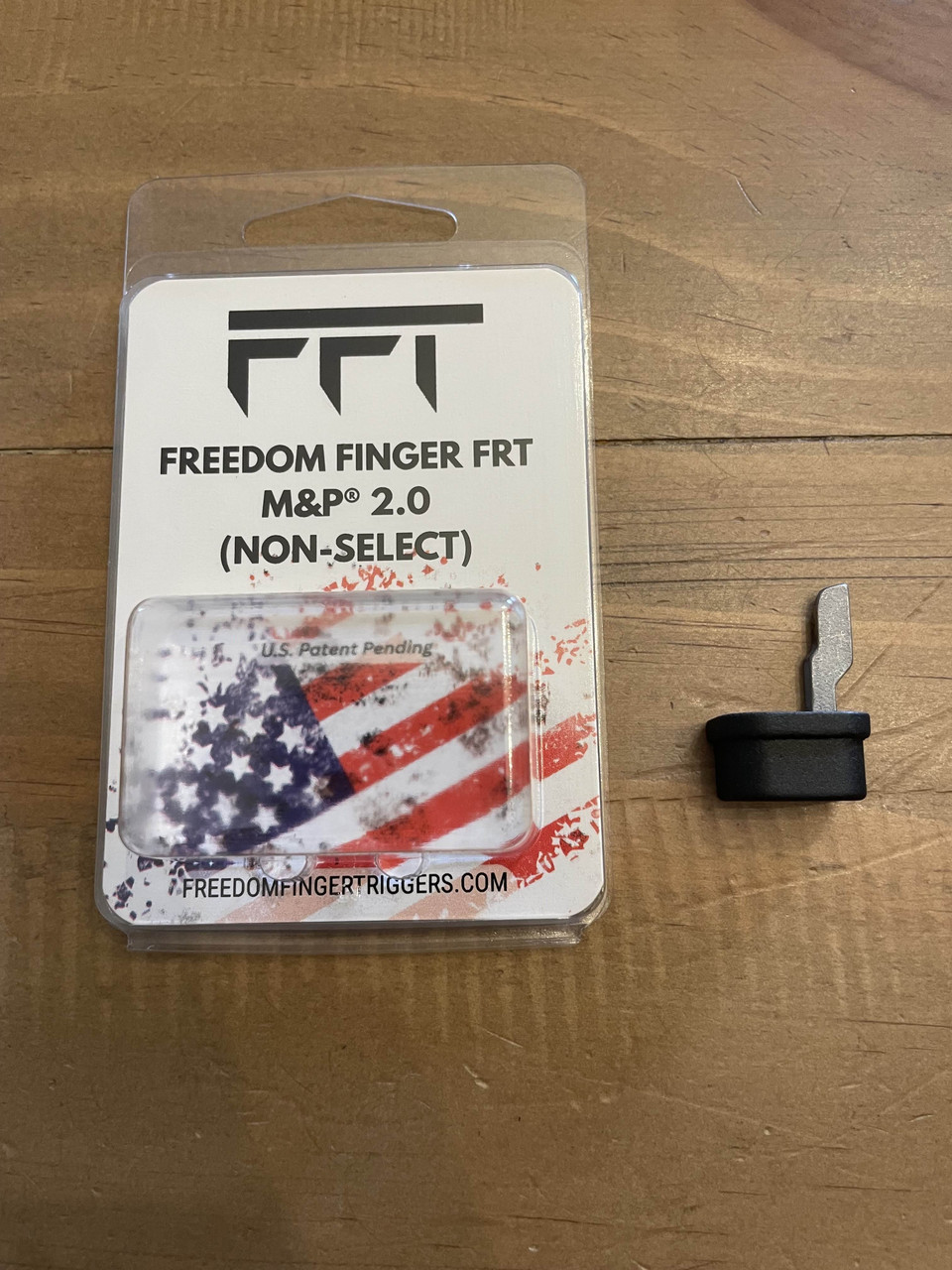
This is where enthusiasts often stumble. In California, magazine capacity is limited to 10 rounds. Devices like the GSG Firefly Drum Magazine Adapter are only legal if permanently modified to hold 10 rounds or less. Trigger modifications are a major gray area. While improving pull weight is generally acceptable, devices that functionally increase the rate of fire to mimic full-auto, such as forced reset triggers (FRTs), are classified as “machine gun” conversion devices by the ATF and are illegal. A blemished Freedom Finger FRT Trigger might be a bargain, but possessing it is a federal felony. A real guide book draws a bright red line here.
5. Maintenance, Storage, and Continuing Education
Ownership is a responsibility. A basic cleaning kit specific to your caliber is non-negotiable. For 9mm, you need a .35 caliber bore brush, not a .30. Storage means a DOJ-approved safety device or a locked container during transport. But education is the most critical maintenance. It means moving beyond the FSC to certified training courses. It means understanding the legal use of force (Penal Code 198.5). It means regular practice. Your first stop for continuing education should be a reputable range offering advanced courses, and your first stop for gear should be a shop that understands the law, like the Semi-Automatic Handguns collection at Californiagunshop, where the listings are clear on compliance.
Frequently Asked Questions
Does Big 5 do firearm safety certificate tests?
Yes, most Big 5 Sporting Goods locations that have a firearms department are certified to administer the California Firearm Safety Certificate (FSC) test. You’ll need to bring a government-issued photo ID, pay the $25 fee, and pass the 30-question test. Call your local store first to confirm their testing hours.
How many gun laws are on the books?
There is no single count, as laws exist at federal, state, and local levels. Federally, there are over 300 major statutes. In California alone, the Penal Code contains hundreds of firearm-specific sections, from the Roberti-Roos Assault Weapons Control Act to the more recent ammunition background check law (AB 173). The total number of applicable regulations runs into the thousands.
Browse our firearms collection
Last updated: April 16, 2026