How to Get a Firearm License
In California, you don’t get a single “firearm license.” You get a Firearm Safety Certificate (FSC) to purchase, and for handguns, you must also obtain a Handgun Safety Certificate (HSC) and register the transaction through the state’s Dealer Record of Sale (DROS) system. The process is specific, non-negotiable, and failure to follow it exactly will result in a denied transfer. Let’s break down the real steps.
Step 1: The Firearm Safety Certificate (FSC)
The FSC is your baseline permit. You must pass a 30-question written test at any licensed firearm dealer, like Californiagunshop. The test covers safe handling, storage, and California law. Study the California Firearms Laws Summary booklet from the DOJ. There’s no “license” to carry here; this is purely for the legal purchase and ownership of long guns and handguns. The fee is $25, and the certificate is valid for 5 years. You cannot even handle a firearm in a store without presenting a valid FSC or proof of exemption.
Step 2: The 10-Day Waiting Period & DROS
Once you’ve selected a firearm, the real administrative process begins. The dealer will initiate a Dealer Record of Sale (DROS). You’ll provide a second form of proof of residency (like a utility bill), your FSC, and a valid California Driver’s License or ID. You’ll pay the DROS fee, currently $37.19, plus a $1 Firearm Safety Act fee. The state then runs an automatic background check. This triggers a mandatory 10-day waiting period—calendar days, not business days. Only after the 10th day has fully passed can you take possession. No exceptions.
Step 3: Handgun-Specific Rules: The Roster and Safety Demo
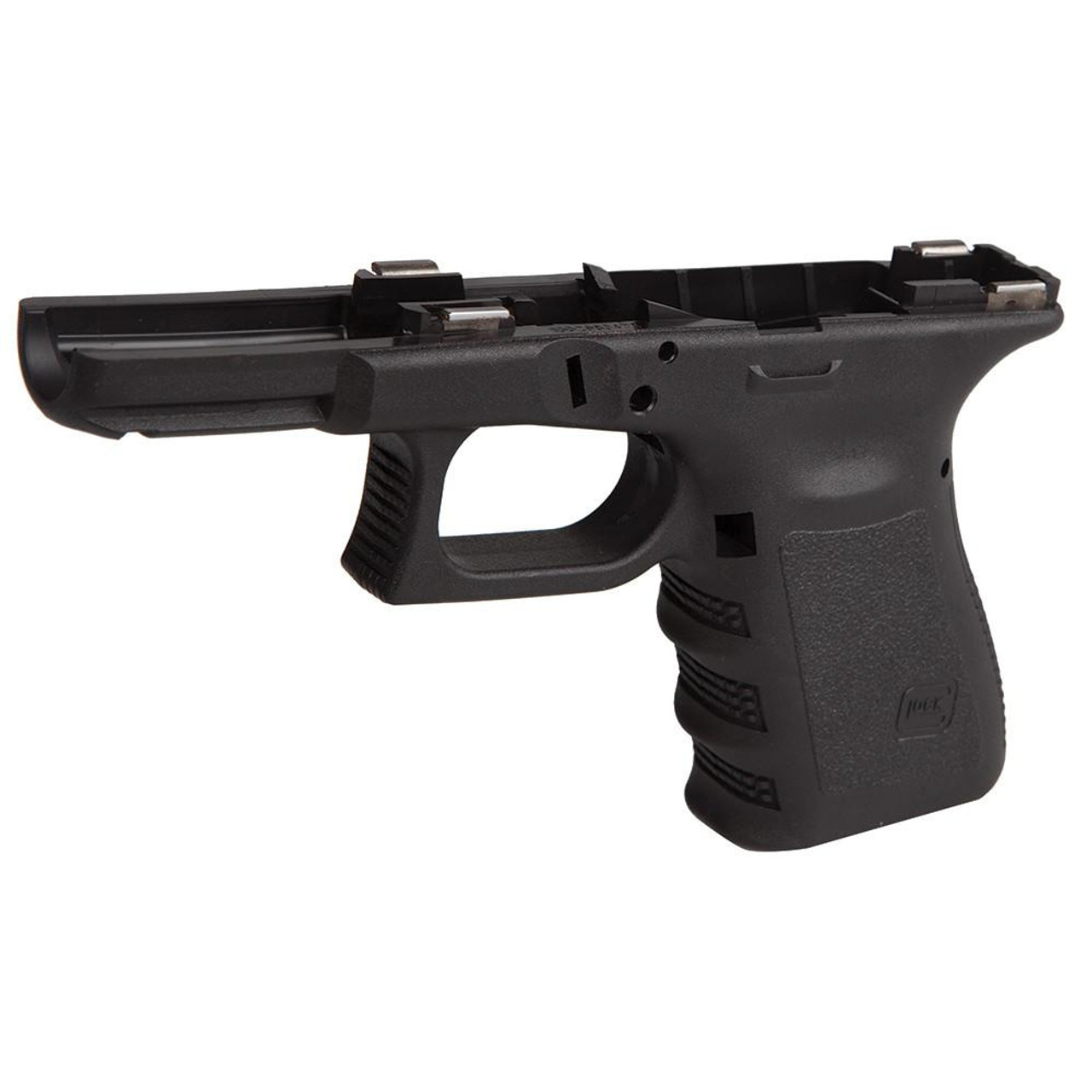
For handguns, California maintains an approved “Roster of Handguns Certified for Sale.” If you’re buying new from a dealer, the model must be on this roster. This is why Gen 3 Glocks, like the Glock 19 Gen 3, are so prevalent here—they’re roster-approved. Private party transfers (PPT) and some law enforcement sales are exempt. Additionally, before completing the DROS for a handgun, you must perform a safe handling demonstration with the dealer, proving you can load, unload, and safely manipulate the firearm. This is separate from the FSC test.
Step 4: Ammunition Purchases and Background Checks
Since July 2019, purchasing ammunition also requires an eligibility check. You must either have a firearm already registered to you in the CA DOJ’s system, which creates a “standard” $1 background check, or undergo a “basic” eligibility check that costs $19. If you’re buying a firearm and ammo at the same time from a dealer like Californiagunshop, the ammo check is typically included in the DROS process. Keep in mind, magazines over 10 rounds are generally prohibited to purchase, import, or manufacture, with very narrow exceptions.
Step 5: What Isn’t a License: Understanding CCW
Many people confuse a purchase permit with a license to carry. They are entirely different. A Carry Concealed Weapon (CCW) license is issued at the county level by the sheriff or city police chief. It requires a separate application, live-fire training, proof of “good cause,” and extensive background investigation. Issuance is not guaranteed and varies wildly by county. The FSC and DROS process only allow you to own and transport a firearm in a locked container, unloaded, to and from approved locations like ranges. It does not authorize concealed or open carry.
FAQ
How to firearm license?
In the United States, there is no federal firearm license for general ownership. In California, you need a Firearm Safety Certificate (FSC) to purchase. The process involves passing a test, a background check via the Dealer Record of Sale (DROS), and a mandatory 10-day waiting period. For carry, a separate CCW permit is required from your local sheriff.
How to gun license in India?
In India, firearm ownership is highly restricted under the Arms Act of 1959. You must apply for a license through your local district licensing authority, proving a genuine threat to life or being a member of a recognized rifle club. Licenses are typically granted for specific purposes (self-defense, sport) and for specific firearms, not as a general permit. The process is lengthy and discretionary.
How to pistol license?
For a pistol in California, follow the standard FSC and DROS process, with added steps. The pistol must be on the state’s approved roster for new sales, and you must perform a safe handling demonstration. To carry that pistol concealed, you must separately apply for a CCW license from your county sheriff, which requires training, a background check, and stated “good cause.”
Browse our firearms collection
Last updated: March 28, 2026